Permitting Reform Should Be A Non-Partisan Issue
July 23, 2026
Need to know
- Check out TEA’s website for the latest in energy news and opinion.
- TEA Takes: Renewables ‘can’t keep up’ with data center pace. As usual, the left wants the government to step in.
- Energy industry cash fuels Texas GOP campaigns.
- EU to ease methane rules amid US pressure.
- China’s renewable megabases rely on coal-heavy transmission.
- House committee narrows data center energy bill.
- Why the Iran war hasn’t caused a global oil crisis — yet.
- Nuclear energy push continues in Texas.
- Data center lobby grumbles about a reworked Ratepayer Protection Act.
RealClear
- Opinion: Natural gas is strengthening Kentucky’s economy.
Common Sense
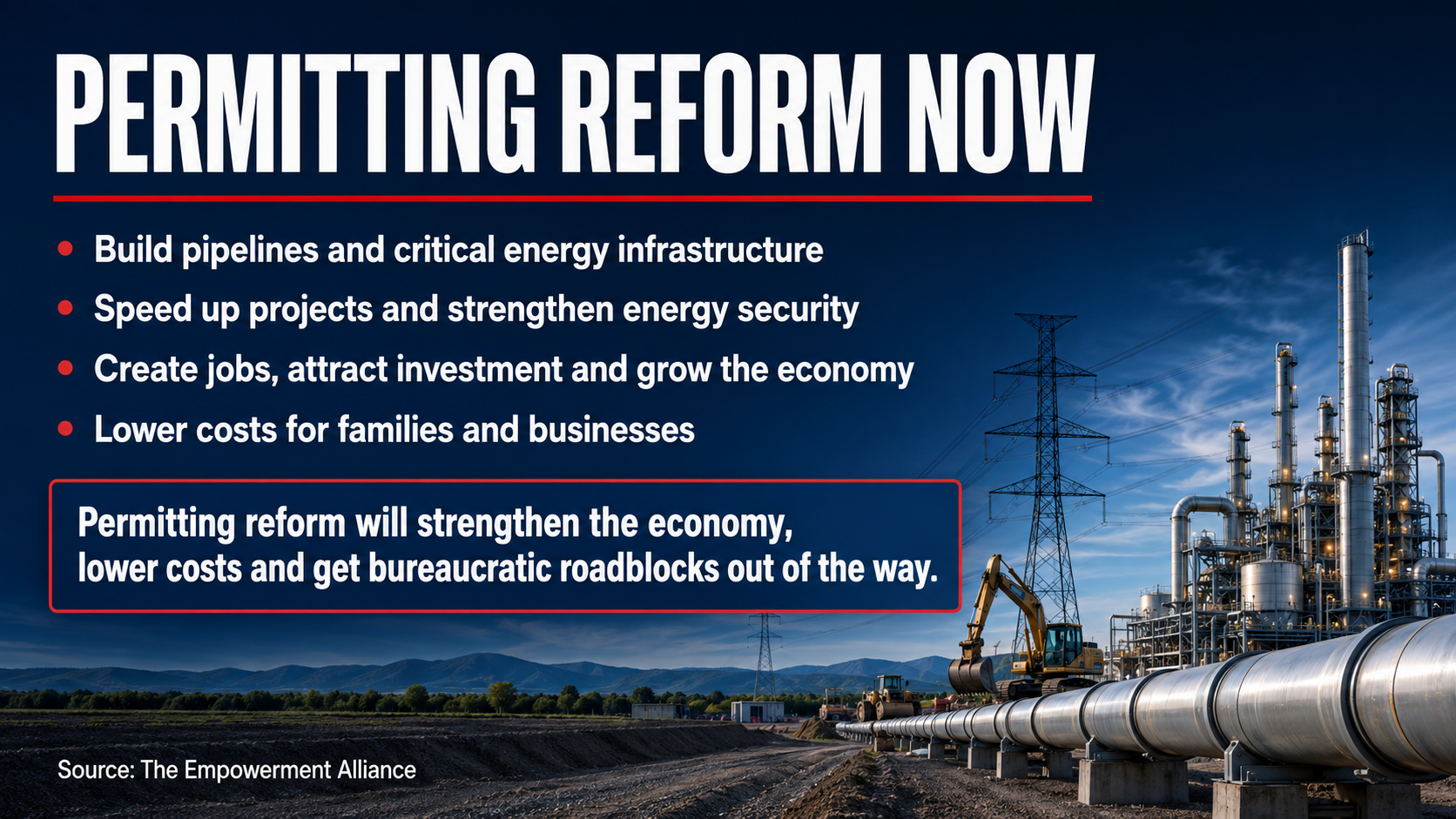
- Reform the National Environmental Policy Act (NEPA). A law intended to review projects has become an expensive, time-consuming tool to delay or block pipelines, power plants and other critical infrastructure.
- Restore the Clean Water Act to its original purpose. The law was designed to protect waterways from pollution — not to stop interstate natural gas pipelines and electric transmission lines that don’t discharge pollutants into waterways.
- Provide permitting certainty. A permit should mean a project is legal and can move forward. Instead, projects are routinely canceled or delayed by new administrations, creating uncertainty that discourages investment.
- Modernize transmission policy. Allow FERC to approve transmission lines over state objections only when those projects clearly save consumers more than they cost.
Nonsense
Why it matters: Opposition to massive AI developments offers environmental groups a new cause — and a fresh fundraising pitch.
The Sierra Club, Natural Resources Defense Council, Earthjustice and Food & Water Watch are ramping up national campaigns, mobilizing volunteers and supporting local efforts to block data centers.
Consider:
- With climate alarmism fading from the headlines, green-at-any-cost groups need a new villain — and a new revenue stream — to sustain their multi billion-dollar industry.
- They have found one in data centers.
- Never mind the benefits of AI: staying ahead of China, the numerous services that data centers support or the jobs and economic investment these projects bring.
Extremist environmental groups recently scored a major victory when New York Gov. Kathy Hochul froze most new large-scale data center construction while the state develops new standards.
Across the US power demand is soaring, and natural gas is expected to supply much of it. Utilities are also reconsidering plans to retire coal plants, another reason environmental activists are joining the fight.
The strategy is familiar: mobilize local opposition, target developers and block infrastructure by raising unfounded (in many cases) fears about air and water.
Bottom line: Wealthy climate groups are using data centers as their latest lifeline — repackaging their anti-development agenda and hatred of hydrocarbons to remain relevant. And keep their coffers full.
Midterm spotlight
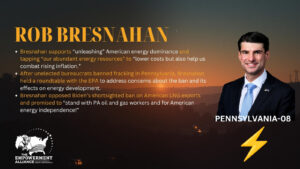
- Pennsylvania’s 8th Congressional District: Rob Bresnahan has highlighted the Delaware River Basin Commission’s fracking ban, which stands in contrast to responsible development taking place elsewhere in the Commonwealth.

A look ahead
- Nothing on the calendar next week.