Green schemes aren’t affordable
September 20, 2026
“Affordability” has proven to be THE issue of the 2026 elections. A national survey found that “inflation and the cost of living is rated the most important issue by 35% of the public. This has been the top issue for the public in each Marquette poll this year. The national economy is the next highest rated, with 15% saying it is the most important issue.”
And, that’s understandable. Everyday Americans are feeling the pinch—at the grocery story, at the pumps, when they open their bills. We’re hearing a lot of “solutions” leading up to Election Day in November. But, the thing everyone should be asking for is energy affordability because it underlies the cost of all products and services.
Energy literally fuels every aspect of our lives, so when it becomes unaffordable, that drives up the cost of everything else. When gasoline prices go up, so does the cost of transporting groceries, home goods and all the other things we buy at the corner store. When the cost of electricity goes up, so does the cost of construction, manufacturing and every other business. Many energy sources are even components in the very products we buy—petrochemicals derived from oil and natural gas are ingredients in over 6,000 everyday products and high-tech devices.
So, it’s ironic that the very candidates offering all these affordability “solutions” are also part of the green-at-any-cost energy crowd.
Bad policies = High prices
$9 trillion has been spent globally over the last decade on wind, solar, electric vehicles, energy storage, electrified heat and power grids with very little result. Despite all that investment in renewable energy sources, fossil fuels still supply over 80 percent of all global needs today.
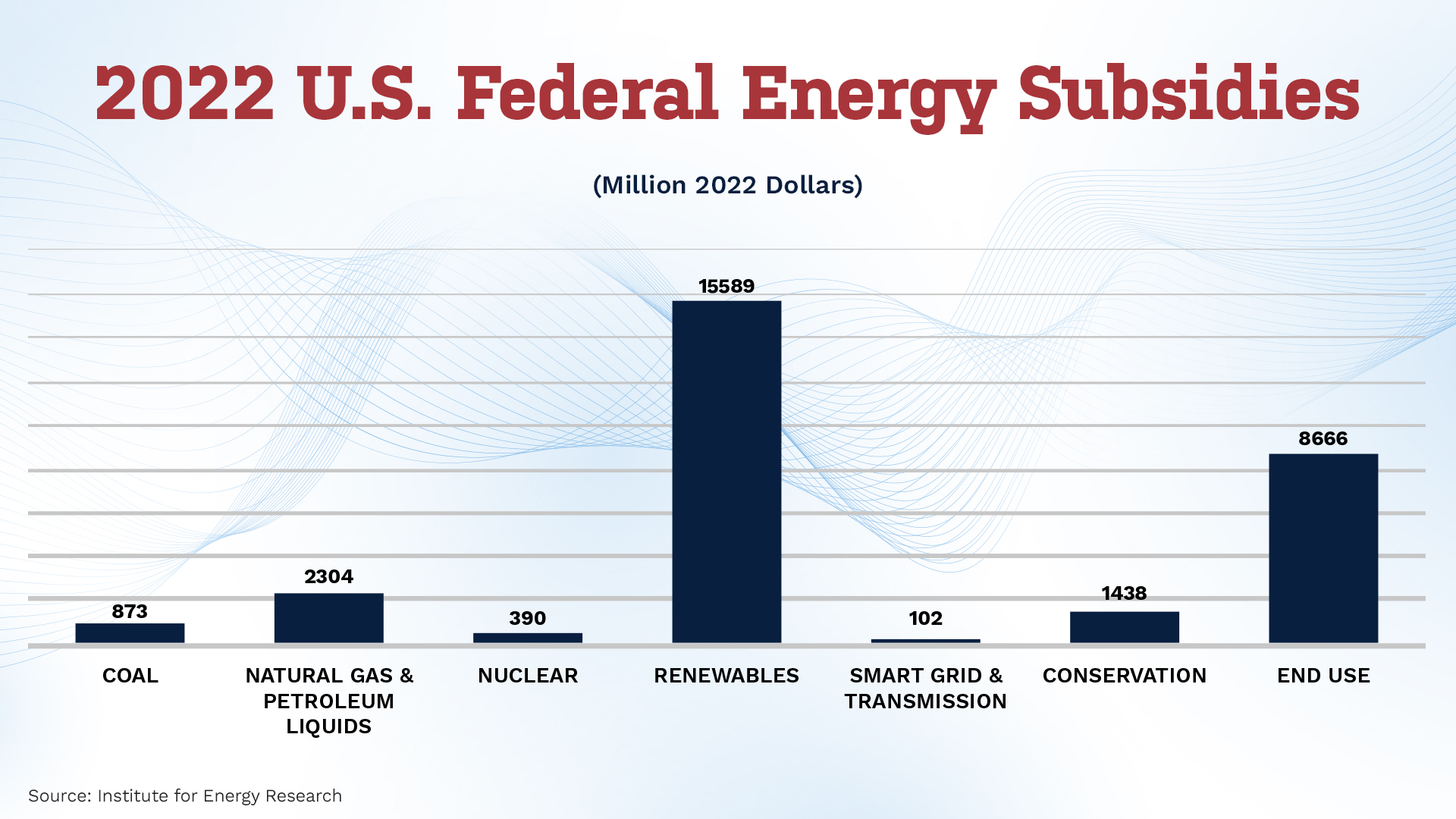
In the U.S., taxpayer-funded renewable energy subsidies made up 85 percent of all federal energy-related support between 2016 and 2022. Meanwhile, the retail price of electricity has risen consistently during that time. From 2021 to 2024, there was a 21% percent increase in the average price American families paid for electricity.
Artificially propping up wind and solar energy, rather than letting the market drive which energy sources are the most affordable, reliable and clean, is costing American consumers. An analysis looking at the largest rate increase requests across the country in 2022 found that “every single one of the eight companies listed wind and solar investments or the energy transition as one of the primary reasons for raising electricity prices, and multiple companies explicitly cited state mandates for clean energy or GHG reductions to justify the rate increases.”
The largest rate increase in the country came from Pacific Gas and Electric, which cited its commitment to “California’s bold climate and clean energy goals and to actions that reduce greenhouse gas emissions, including delivering low-carbon energy.”
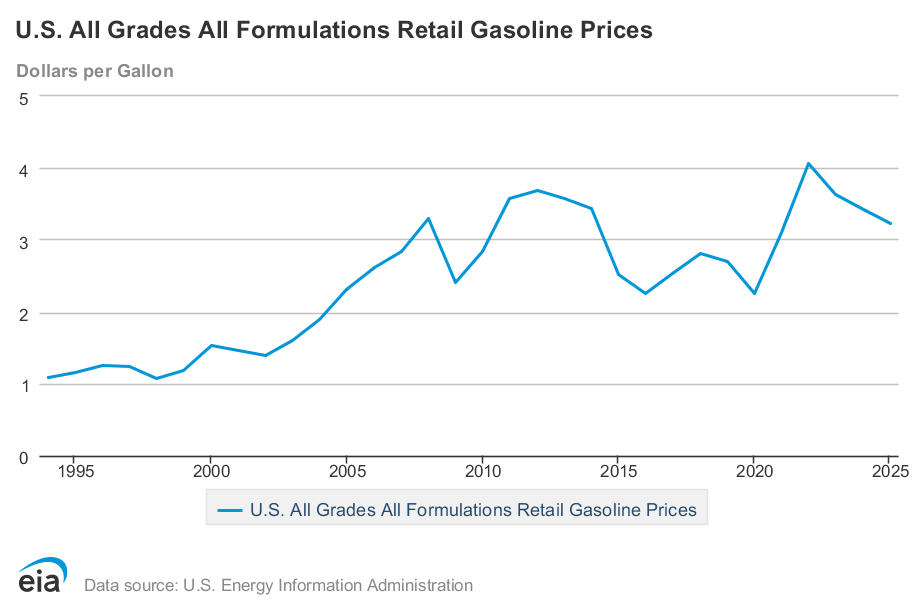
Then there’s gasoline prices. Would we really be facing $5/gallon at the pumps now if we hadn’t let decades of politicized, green-at-any-cost energy policies drive up the cost to $3 or $4 a gallon first? If you look at annual average costs, the price of a gallon rose from about $2.26 in 2020 to $3.42 in 2024—and that became our new normal. So, if you’re angry about gas prices, you should be angry about permanent increases from years of bad policies not the temporary spikes from world events.
ARC ES is THE solution
That’s why TEA supports a common-sense energy solution that will make energy affordability for everyday Americans the top priority—the Affordable, Reliable, Clean Energy Security Act.
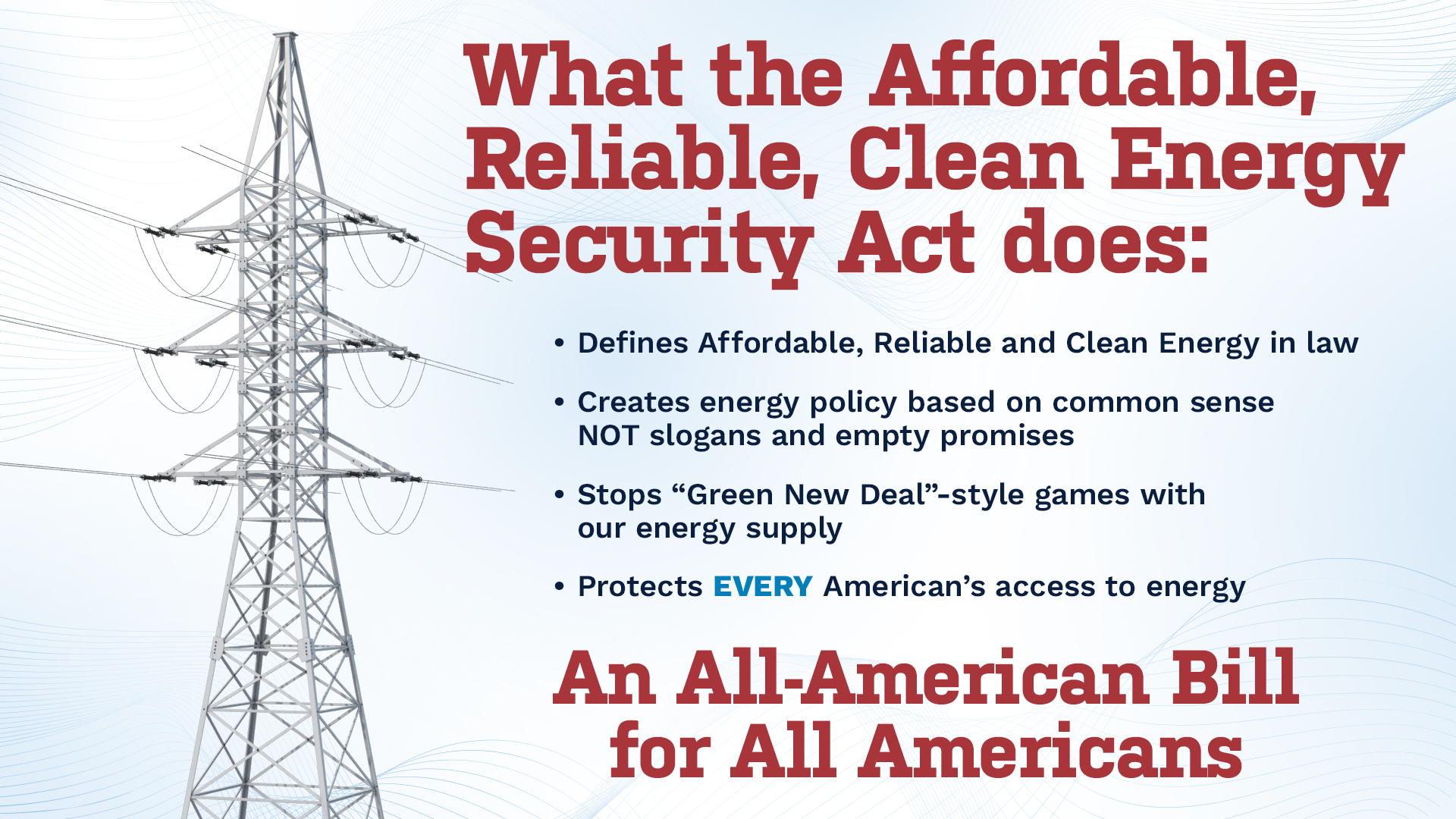
This legislation would create simple and straightforward definitions in law for what is affordable, reliable and clean energy. Putting simple definitions behind these terms will finally create the policy environment necessary to stop the “Green New Deal”-style games that politically-motivated extremists have been playing with our energy supply for the last several years. Rather than the government blocking productivity and driving up costs by picking winners and losers, this policy will set fair and sensible rules under which the best energy options for American families and businesses win.
The ARC ES Act defines “affordable” energy as “a low cost method” of producing energy, “factoring in the full system cost of each generation source.” Often when you see cost statistics for different energy sources, they don’t account for hidden factors—those government subsidies that go heavily to “green” energy sources like wind and solar, the cost of cycling our power supply up and down to accommodate these intermittent and unreliable power sources and added infrastructure costs trying to get “green” energy to the people who need power. But this act would guarantee that when the government analyzes the cost of energy going forward, it will look at the WHOLE picture.
Elected representatives looking for an “affordability” issue that really connects to their constituents’ daily lives should take note. The ARC Energy Security Act is THE solution and exactly the kind of policy that truly addresses the affordability issue that voters are so concerned about.
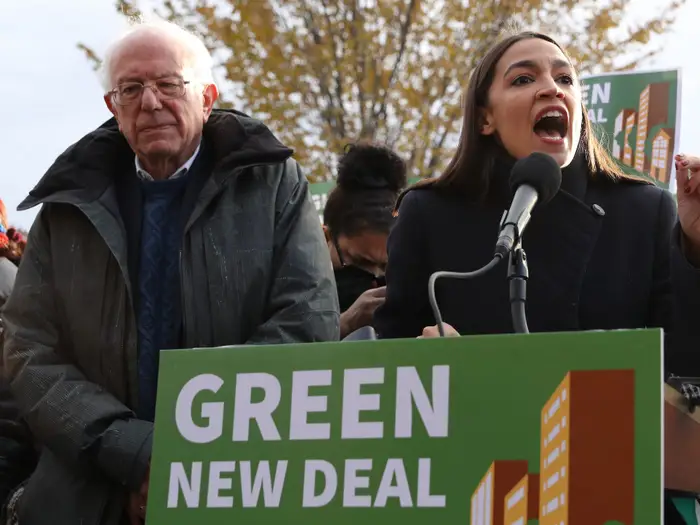
We all know the green schemes aren’t working, in fact they’re breaking our economy and crushing the household budgets of everyday Americans. The Bernies and the AOCs have been selling a slick Green New Deal-style message for years. They say they are looking out for the “little guy” like middle-class families and small businesses. But, it’s their policies that have pushed us up the slope of ever-rising energy prices.
American voters may not know all the nuances of the how the electrical grid works. They may not know the questionable aspects of the renewable energy supply chain that relies on nefarious foreign governments. But, they do know that energy is a factor in almost every aspect of our daily lives and that’s why keeping it affordable, clean and reliable is so important.