There’s increasing recognition among House Republicans that scrapping the entire suite of renewable energy tax credits codified in the Democrats’ 2022 climate law could prove to be politically unpopular — maybe even untenable.
Six days after this November’s presidential election, the annual United Nations climate change talks will take place in Baku, Azerbaijan. Unlike the election, no one is holding their breath. Baku will be the twenty-ninth in the series. Climate change regularly draws gatherings of world leaders…
Liquefied natural gas has become a major growth driver for the energy industry. Burning much more cleanly than either coal or oil, gas has earned a place in the energy transition—but that place is far from secure.
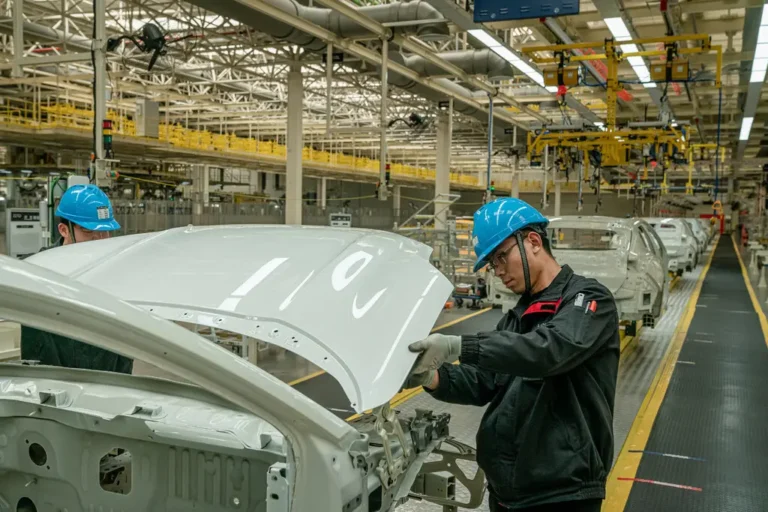
The Biden administration on Friday announced measures that will add tariffs to Chinese products worth tens of billions of dollars, a move intended to both protect American factories and project a tough-on-China approach ahead of the presidential election.
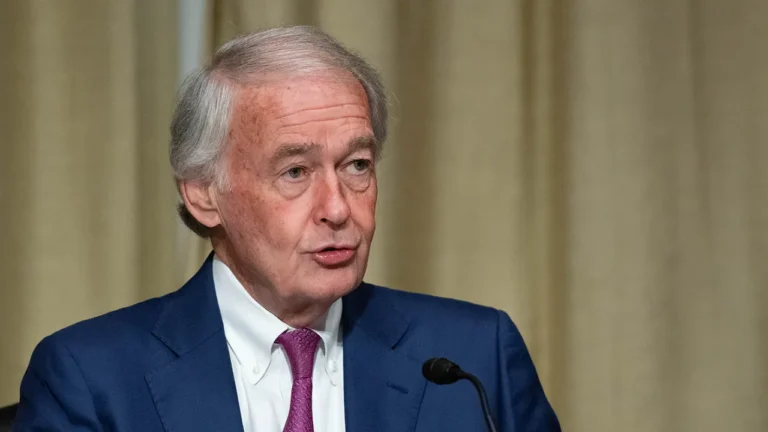
Sen. Ed Markey (D-Mass.) and Rep. Jared Huffman (D-Calif.) led a letter from more than 50 congressional Democrats calling on the Interior Department to expand federal protections in the Arctic.
A new report from the Department of Labor raises tough questions about whether and to what extent forced labor and child labor are intertwined with climate-friendly technology.
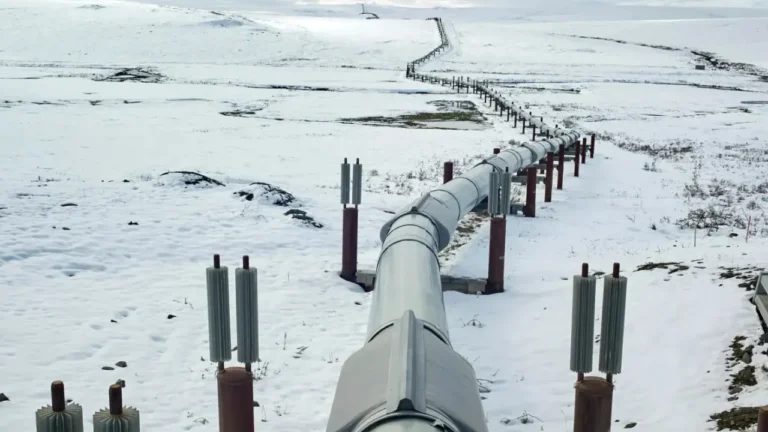
A long-sought 800-mile gas line would provide cheaper natural gas for use in the state compared to imported gas, according to a preliminary analysis commissioned by the Alaska Gasline Development Corp.
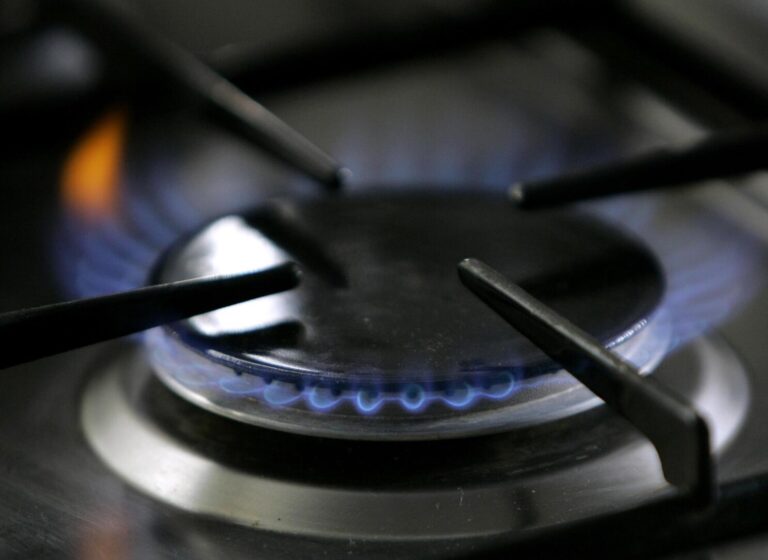
Democrats insist they aren’t coming for gas stoves, but look at how the People’s Republic of Berkeley is trying to tax them into obsolescence. What does Kamala Harris think of her hometown’s plan to soak businesses and renters?
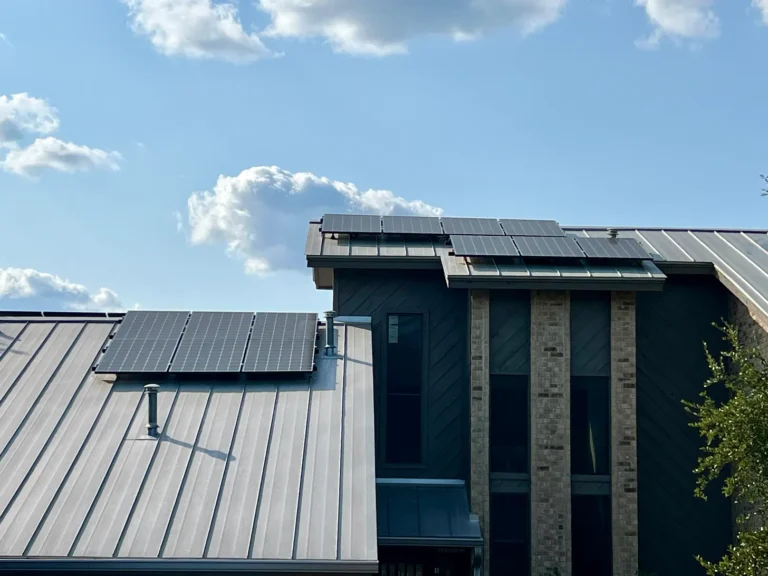
Hyping solar energy is one of America’s most renewable resources. For instance, in 1978, Ralph Nader declared that “everything will be solar in 30 years.” In 1979, President Jimmy Carter declared the US needed to capture more energy from the sun because of “inevitable shortages…
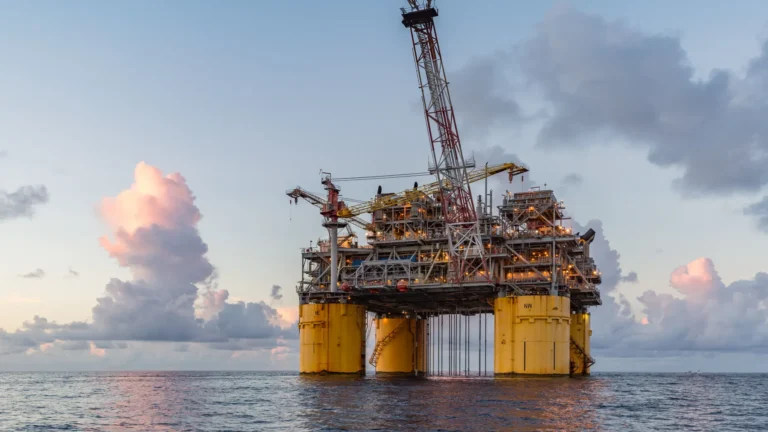
HOUSTON — Nearly 30% of U.S. Gulf of Mexico crude oil production and 41% of its natural gas production remained offline on Saturday following Hurricane Francine, the U.S. offshore energy regulator said.