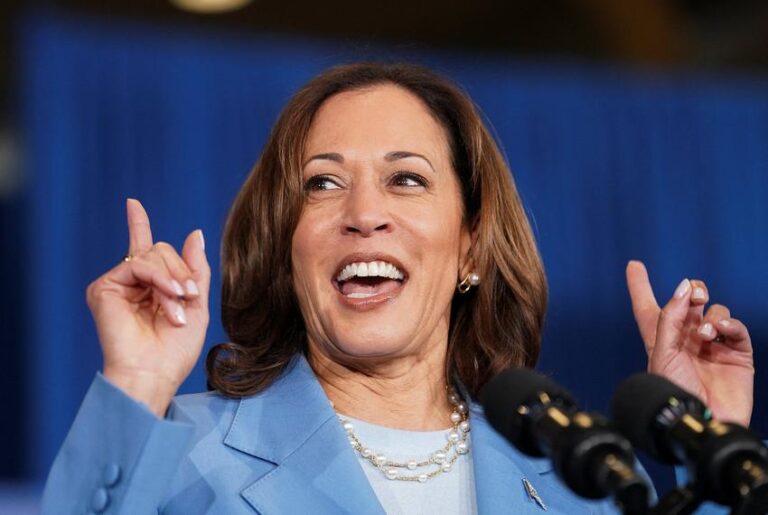
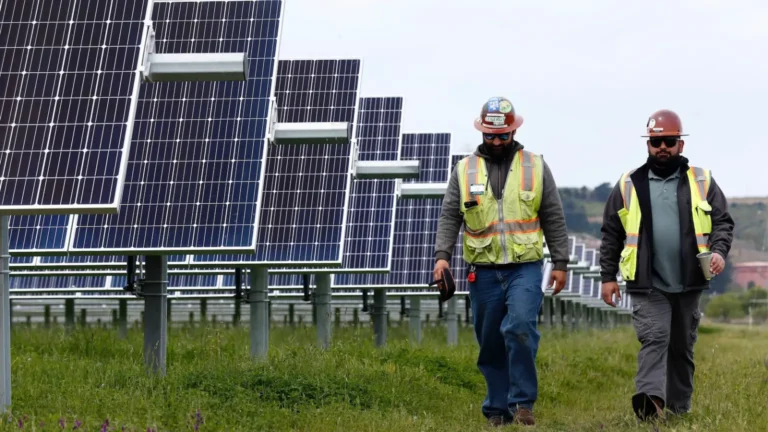
A Democratic clean energy policy agenda, if Kamala Harris is elected president in November, depends on support from the Federal Energy Regulatory Commission and the fate of its contentious electricity transmission rule.
Abundant and affordable energy drives America’s powerful and productive economy. That’s been true throughout our nation’s history, and America’s recent achievement of energy independence provides the most concrete illustration of that fact.
Since becoming the presumptive Democratic nominee for president, Vice President Kamala Harris has enjoyed a steady rise in the polls, mostly due to the fact that she is not President Joe Biden or former President Donald Trump. She is an alternative voters have said they wanted.
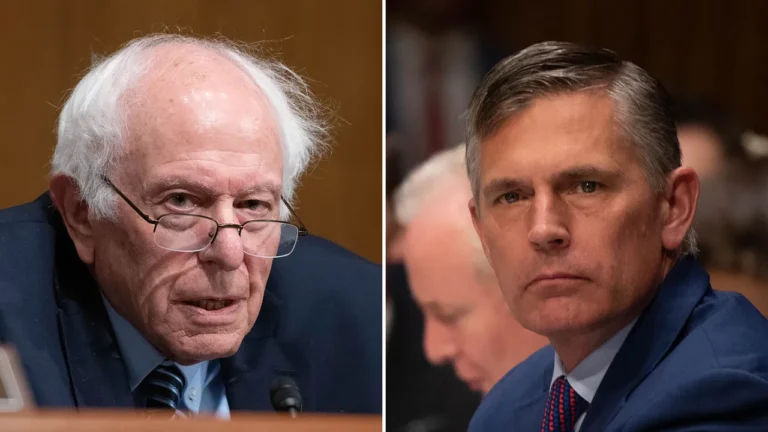
Sen. Martin Heinrich (D-N.M.) says a bipartisan energy bill would be a huge win for the climate; Sen. Bernie Sanders (I-Vt.) says it would be a disaster.
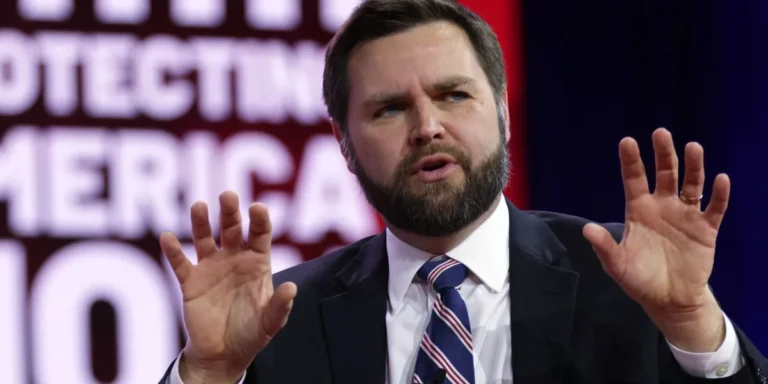
Growing up in Ohio, I learned the hard way that poverty breaks families. To break the cycle of dependency, families need to be able to rely on a growing and dynamic economy that generates wealth and opportunity. But an economy that works for working Americans…
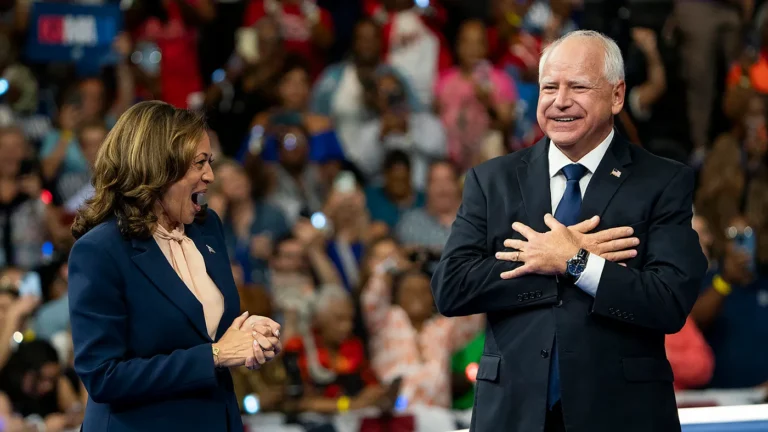
Minnesota Gov. Tim Walz last year signed one of America’s most aggressive climate laws, mandating that 100% of the state’s electricity come from carbon-free sources by 2040. Even if he doesn’t ascend to national office, he may end up leaving not only Minnesota but other states in…
California Gov. Gavin Newsom (D) on Monday vetoed a bill aimed at tightening air pollution monitoring provisions for so-called fence-line zones that mark the perimeter of oil refineries.
PHILADELPHIA, Aug 14 (Reuters) - In the 25 days since Vice President Kamala Harris entered the race for the White House, she has kept energy executives guessing.
Former President Donald Trump on Monday pledged to abolish a Biden administration rule forcing coal-fired power plants to either eliminate carbon emissions or shutdown to boost energy production if he’s elected to the White House in November.
During its last session, the Supreme Court’s conservative majority dealt blow after blow to federal agencies’ authority to draft and enforce policies, including those aimed at mitigating climate change. Its decisions have already created upheaval for courts considering issues ranging from the approval of a solar project…