WASHINGTON (AP) — The Trump administration announced two more payouts Monday for energy companies to walk away from U.S. offshore wind projects under development.
The two biggest oil-producing states are at a crossroads as they try to solve one of the industry’s thorniest problems — getting rid of billions of gallons of salty, oily wastewater that’s produced alongside crude.
Oil prices climbed more than 1% Monday after President Donald Trump canceled plans to send envoys to Pakistan for peace talks with Iran over the weekend, pushing Brent crude back to $107 a barrel and keeping geopolitical pressure on global energy markets.
“We are facing the biggest energy security threat in history,” Fatih Birol, the head of the International Energy Agency, or IEA, told CNBC on Thursday.
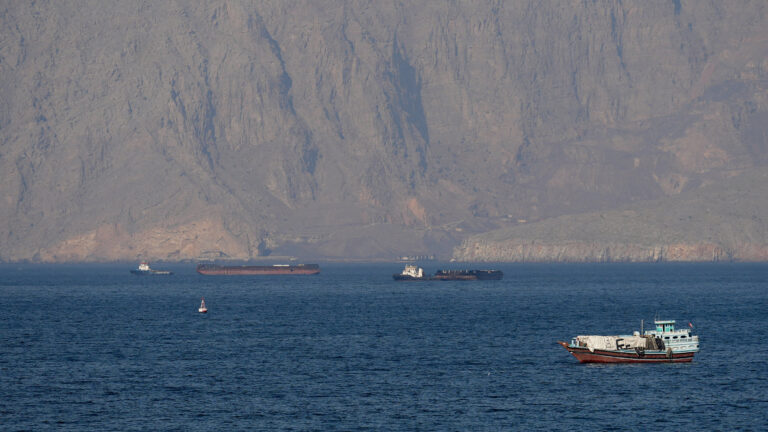
The market will panic when the Strait of Hormuz closes. When it reopens, policymakers will all feel relieved. At present, we are all witnessing this in real time, but reality is definitely the opposite.
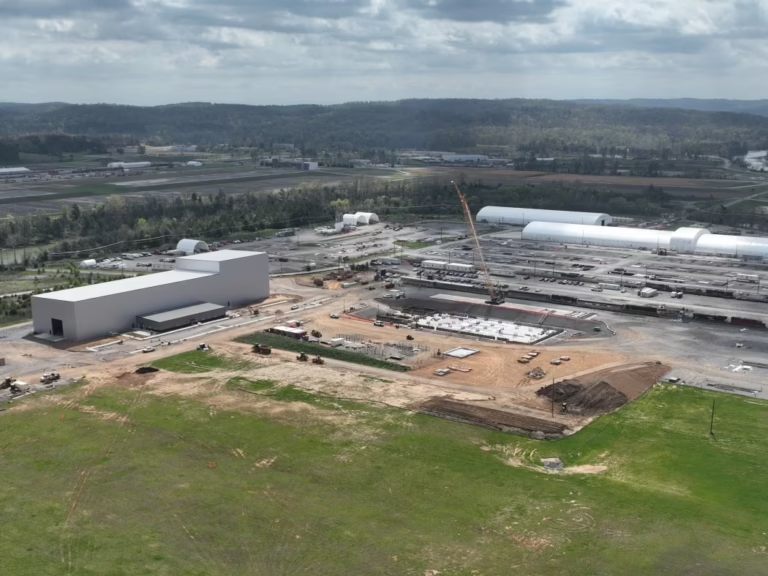
The first commercial nuclear-power projects in a decade are now under construction in the U.S., a potential turning point for a segment of the power industry that has been stuck in neutral for years.
President Trump's decision to suspend a controversial maritime law during the Iran war has made it easier to ship oil across the U.S. — and now he wants to keep it that way, according to U.S. officials.
There’s an invisible hand reaching into America’s pocket every time we fill up at the pump or pay that electric bill, and it doesn’t come through the Strait of Hormuz.
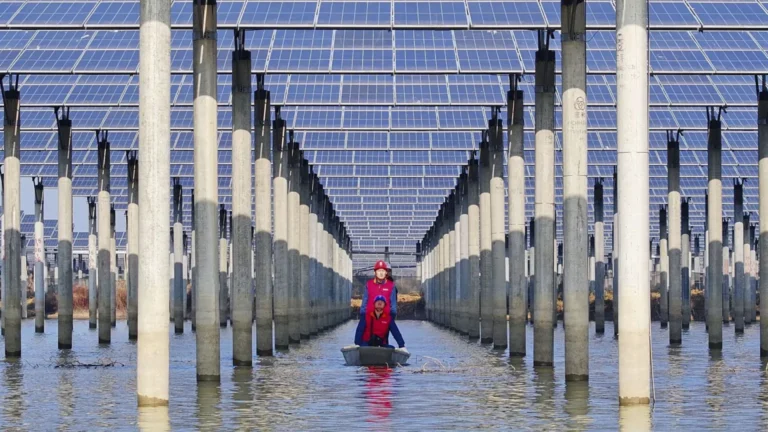
In 2025, renewable energy rivaled coal as the main source of electricity across the globe, according to a new report from the International Energy Agency released several days prior to Earth Day. In the United States, renewable energy growth continues, but the pace has slowed.