Sept 15 (Reuters) - President Joe Biden’s goal to deploy 30,000 megawatts of offshore wind along U.S. coastlines this decade to fight climate change may be unattainable due to soaring costs and supply chain delays, according to forecasters and industry insiders.
An effort by the Biden administration to curb tailpipe emissions — the largest source of planet-warming pollution in the country — seems likely to withstand review by a federal appeals court.
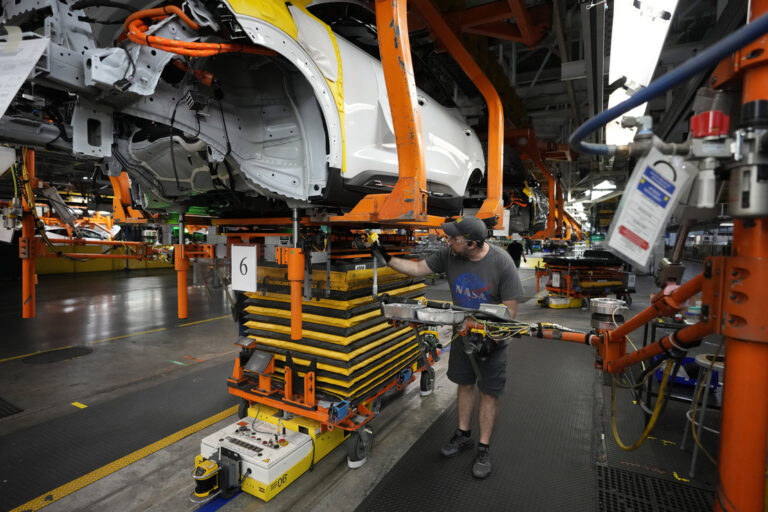
The United Auto Workers union is on strike against General Motors, Ford and Stellantis, the first time in its history that it has struck all three of America’s unionized automakers at the same time.
The House passed a bill banning states from implementing laws that would ban or limit the sale of gas-powered vehicles, marking Republicans' latest efforts to stymie Democrats' environmental agenda.
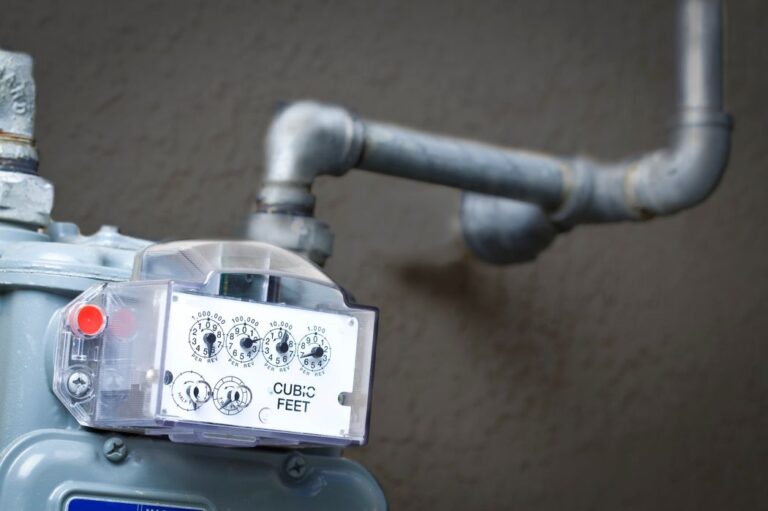
U.S. government natural-gas data due Thursday are expected to show inventories increased last week by a below-normal amount as Texas and other parts of the Southern Plains saw near-record-high temperatures that lifted demand for gas-fired electricity generation to power air-conditioning units.
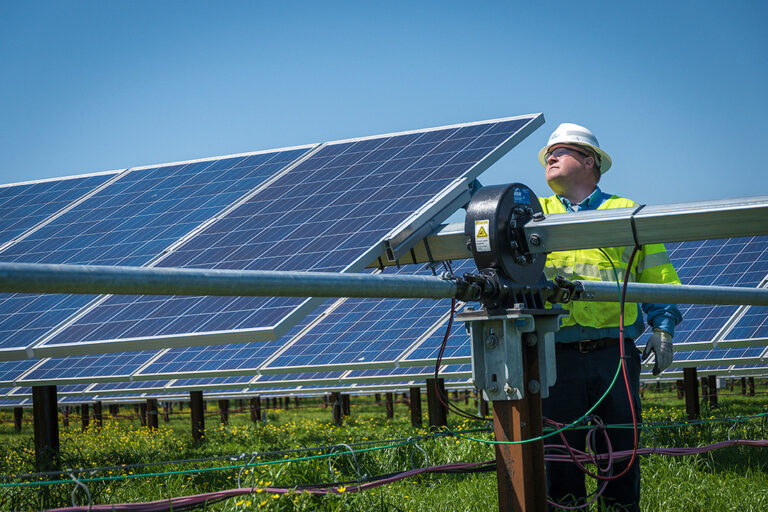
Clean power companies are pressing regulators to let them charge more for their electricity than previously agreed — a dynamic that could influence the politics and economics of state-level climate targets.
staff caused a chaotic scene while clogging electric vehicle (EV) chargers with a gas-powered car, according to a recording of a 911 call of the incident obtained by Fox News Digital.
Basic economics shows the costs of eliminating natural gas from Pennsylvania’s energy mix: Fewer jobs, less investment, exacerbated reliability risks, and higher energy prices — not to mention increased greenhouse gas emissions.