
It Costs Not To Build
August 11, 2025
In America, We Build…
You’ve heard TEA repeating the “Build, Baby, Build” mantra for a while now. To us, it seems like such an obvious and achievable goal. After all, America was built on, well, building things. America is at her best when we manufacture the things we need and want right here at home. America flourishes because we farm and produce our food and other agricultural necessities right here in our own soil. And, America is safer because we produce the vast majority of our energy in our own county, on our own terms.
But, how do we know “Build, Baby, Build” works? Well, we could learn by looking at what doesn’t work.
…Because It Costs Us When We Don’t.
California has turned itself into a prime example of what doesn’t work. Rather than building and investing in infrastructure that will provide affordable, reliable and clean energy for the families and businesses in the state, California’s leaders have taken the state in the opposite direction.
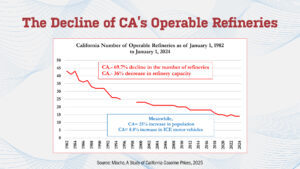
According to a study from University of Southern California Professor Michael Mische, since 1982, California’s oil refineries have decreased by nearly 70% from 43 to 13 operable refineries. Since 1984, California’s refining capacity—the maximum volume of crude oil that a refinery can process in a day—has decreased by 36% from 2.5 million barrels a day to 1.7 million.
Mische: “The largest oil refinery in California is owned and operated by Marathon
Oil. Located in Los Angeles, the Marathon complex has a processing capacity of 365,000 barrels of crude oil a day, which represents 22.5% of California’s crude oil refinery processing capacity for 2024. With two refineries, Chevron collectively represents 32% of California’s refinery capacity. However, California only constitutes 3% of Chevron’s sales. As noted, after some 140 years in California, Chevron is following a long list of companies, such as Oracle, Toyota, Honda, Tesla, and Charles Schwab, exiting the Golden State.”
As the professor describes, the exodus of refineries from the Golden State is only going to continue:
- In October 2024, Phillips 66 announced that it would close its Wilmington refinery by end of 2025 due to recently passed legislation requiring refiners to hold extensive inventories of finished gasoline products and increasing the regulatory burden over refinery operations. The Wilmington refinery constituted over 8% of California’s 2023 refining capacity.
- Chevron and ExxonMobil have decreased nearly $5 billion in refinery and other California-based asset impairments. Chevron announced it plans to cease operations in California by 2030.
- In April 2025, a Valero refinery that has been operating for 25 years in the city of Benicia announced it would shutter in April 2026. The facility employs 400 workers in the small city. The company said in a statement that it would close because of the high costs and strict environmental regulations in state. The Benicia facility produces 170,000 barrels of fuel per day.
However, at the same time the state is stifling energy producers and reducing its in-state refining capacity, the state’s population has increased 25%. More to the point the number of traditional gasoline-fueled cars there has increased by nearly 9%. Hardly, the electric vehicle revolution that the state’s leaders have been trying to inspire (or force feed consumers) for decades. So, while the state is reducing fuel production within its borders, it’s still demanding more and more energy to keep its lights on and cars on the road.
$8 per gallon?
Mische predicts that if the trends in his study continue, Californians could be paying as much as $8 per gallon of gasoline by 2026. As he puts it, “Supplies will drop. It’s questionable as to how we’re going to compensate for the drop in supply relative to demand. And prices will go up. That’s simple economics.”
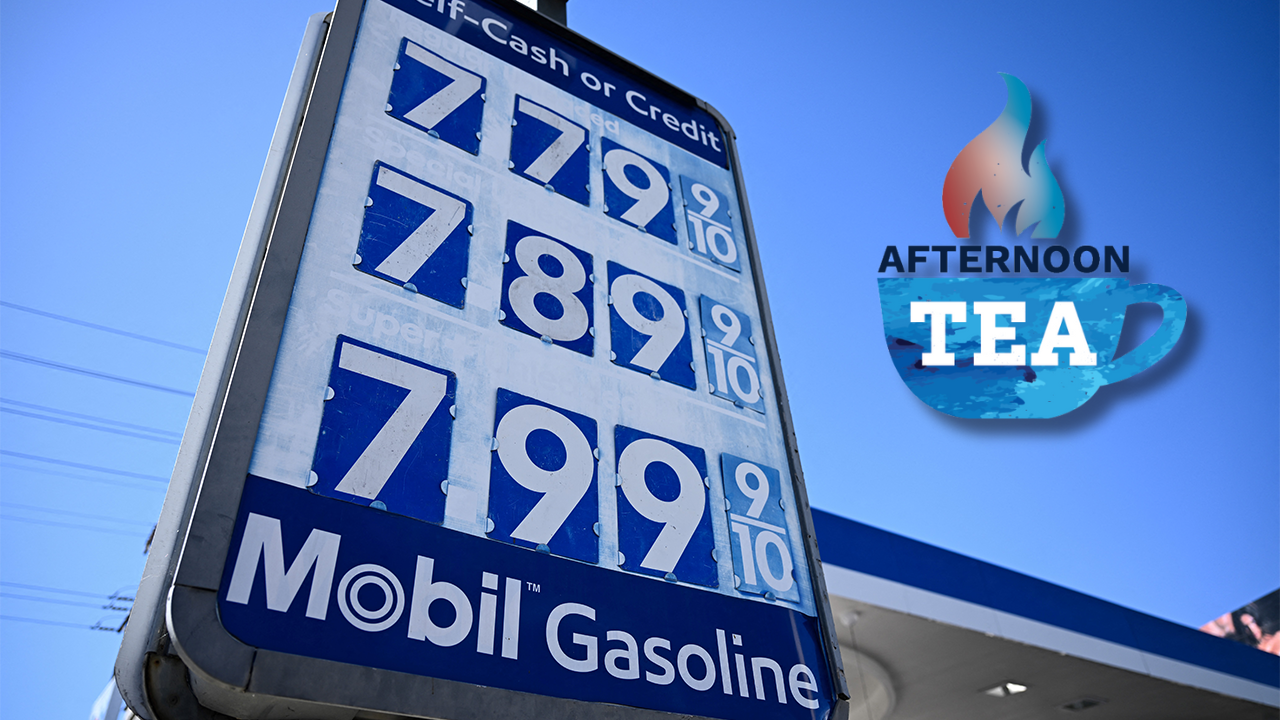
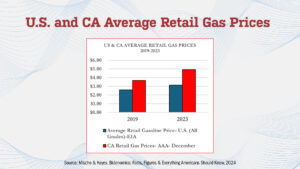
While $8/gallon is an eye-popping figure, California’s drivers have been paying far more than the average American for gasoline for years now. In 2019, when most Americans were still paying around $2.50/gallon, Californians were already closing in on $4/gallon. And, under President Biden’s inflation, while we all suffered spiking gas prices, California still led the pack with the dubious honor of breaking the $5/gallon mark. Today, California is still outpacing the rest of the country. While the national average for gasoline was $3.16/gallon for the beginning of August, California was still coming in at a whopping $4.50/gallon.
Wait, there’s more.
That’s right. Shuttering 70% of refineries, while demand continues to grow and spiking gas prices to never before heard of levels apparently isn’t enough. At least one city—not surprisingly San Francisco—is back on the natural gas ban bandwagon.
The city is considering an ordinance that would effectively ban natural gas hookups and appliances in residential and commercial building that are undergoing major renovations. Renovation projects would have to include plans for replacing gas with all-electric utilities to qualify for a permit. This ordinance would place another hurdle on top of the ordinance the city passed in 2020 that banned natural gas in all new building construction.
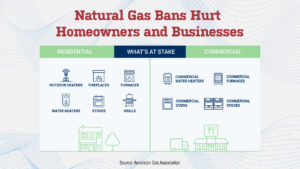
According to the San Francisco Chronicle, “The proposed policy would impact about 785,000 square feet of residential renovations each year, according to estimates from the city’s environment department. About 250,000 square feet of commercial renovations each year would also fall under the bill.”
These ban limit options and drive up costs for homeowners and businesses alike. An American Gas Association study found that “if 60 percent of residences in the regions studied were converted to electricity by 2035, the average affected household could see an increase of up to $1,420 per year in increased heating costs alone. Renters and homeowners alike would have to bear these increased costs directly or through increased rent.” And, all that “policy-driven electrification” would only reduce emissions by one percent at the most.
Let’s Learn From CA’s Mistakes.
These short-sighted policy decisions limiting affordable, reliable and clean energy options are a travesty for the families and business owners in California. Like Americans everywhere, they are simply trying to make ends meet. While California’s leaders have self-created this predicament for their constituents, perhaps the rest of us can benefit from the cautionary tale they are telling.
As TEA says in its Common Sense Energy Agenda, “Bureaucracy, Regulation and Red Tape are the enemies of Energy Security. We must eliminate overreaching roadblocks and focus on energizing existing and new technologies that meet the ARC Energy Security standard, like nuclear power for electricity generation, new refineries to increase production of refined petroleum products, and new infrastructure such as pipelines, export terminals, and electric grid improvements.”
California has shown us what happens when we crush progress and destroy rather than create. We must learn the lesson they have taught us and return to our “Build, Baby, Build” roots.