Knowledge about power is power
Well, we’re back to talking about everyone’s growing electric bill again. Unfortunately, it doesn’t seem like a topic that’s going away. But, fortunately, some smart people are creating tools so that everyday Americans can use to educate themselves about the policies behind that number we pay the electric company each month.
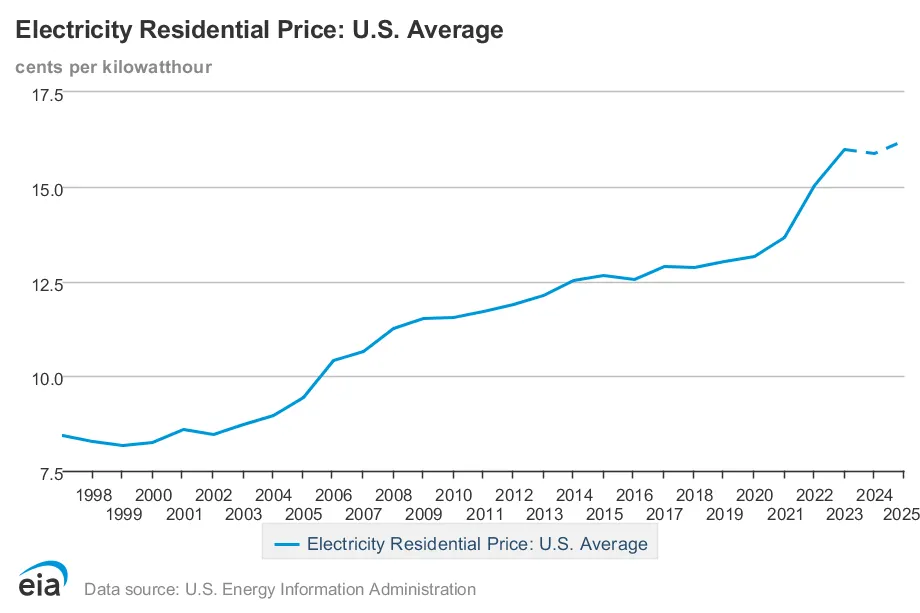
Rate increases from U.S. utilities have become much too common-place. According to Fortune Magazine: “Last year increasingly looks like a turning point for American electricity bills. Retail electricity prices rose 7% in 2025 alone, part of a nearly 40% climb since 2021 that has made this decade the fastest period of electricity price growth on record. Wholesale costs are now 6.1% higher than a year prior — almost double the overall inflation rate” In 2023, utility rate increase requests set a record high with amounts sought being three times higher than those at the beginning of the pandemic in 2020.
But the uptick started even before the pandemic and the inflation that dragged the American economy in recent years. In 2019, 147 new rate increase cases were filed around the country—that’s the most in nearly 50 years since 1983. According to the U.S. Energy Information Administration (EIA), retail electricity prices have increased faster than inflation since 2022. And, the agency expects that trend to continue through 2026.
“Blue States, High Rates”
Now the folks at the Energy Bad Boys blog, along with some partners, have released an analysis that gives insight into the policies that are driving up electricity rates and why, as they put it, elections have consequences. The “Blue States, High Rates” database looks at a series of factors state-by-state and discovered some revealing patterns that drive up power costs.
Energy Bad Boys: “Our analysis found that Blue states, on average, have much higher rates than Red states. What’s interesting is the gap between Red-state and Blue-state prices has widened over time, suggesting that the energy policies enacted by these states are driving up costs. For example, in 2011, average all-sector electricity prices in Blue states were about 3.6 cents per kilowatt-hour (kWh) higher than in Red states, or 44 percent higher. By 2025, Blue state electricity prices were 6.33 cents per kWh higher than those in Red states, a 61 percent difference. For a more recent frame of reference, we found Red states have seen their electricity prices rise by 2 cents per kWh, or 22 percent, since 2018. Blue states saw their prices balloon by 5.5 cents per kWh, a 43 percent increase, with much of the increase occurring after 2022.”
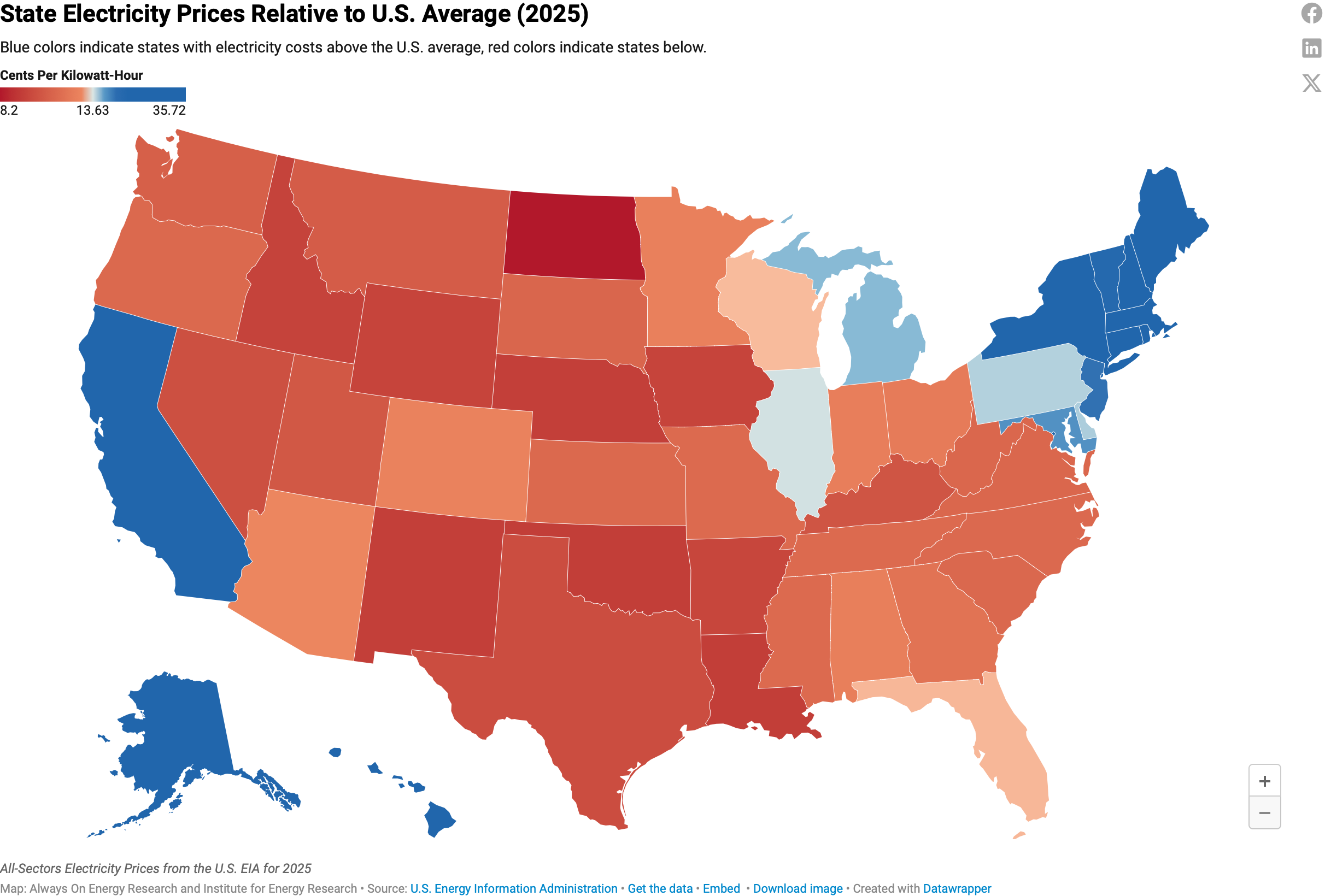
In a nutshell, the ideology underlying your state’s energy policies absolutely effects how much you are paying to keep your lights on. And, common-sense, all-of-the-above policies like Affordable, Reliable and Clean Energy Security cost you less than green-at-any-cost systems that artificially prop up renewable energy.
Let’s talk about Pennsylvania
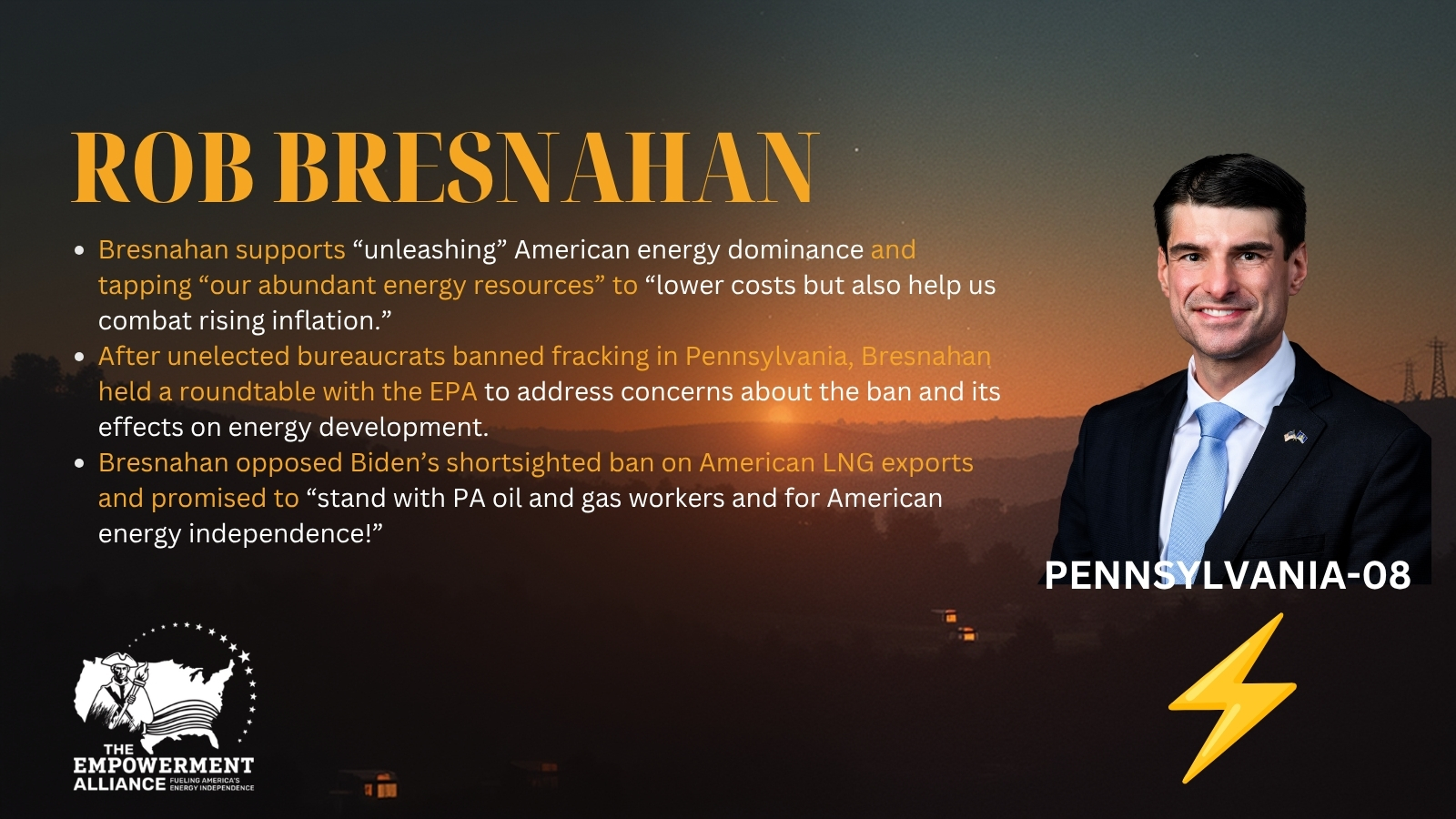
Take Pennsylvania, for example, a state that we’ve recently been watching for key congressional races in the upcoming Midterm elections. There in a high-profile, battleground race U.S. Rep. Rob Bresnahan has challenged a utility seeking rate hikes in the area and fought against a regional fracking ban. At the same time, his opponent Paige Cognetti has declared she’ll support the green-at-any-cost, Bidenomics that drove up energy prices. And, at the state level, Cognetti has the blessing of Pennsylvania Governor Josh Shapiro who is pushing a cap-and-tax-style plan that would cost Pennsylvania $157.2 billion and more than double residential electricity bills.
According to the Bad Boys’ report, “Pennsylvania has no carbon price. The state’s six-year saga with the Regional Greenhouse Gas Initiative (RGGI) ended with statutory repeal in November 2025, but Gov. Shapiro’s proposed replacement, a state-specific cap-and-invest program, is no better. … In January 2026 the Pennsylvania Supreme Court dismissed all RGGI appeals as moot following legislative repeal. Gov. Shapiro’s proposed replacement, the Pennsylvania Climate Emissions Reduction Act (PACER), would establish a state-specific cap-and-invest program on plants above 25 MW, returning 70% of revenue to ratepayers as rebates; as of this writing, PACER had not passed the legislature. Always On Energy Research’s modeling estimates that PACER and PRESS combined would add approximately $157 billion in electricity costs through 2035 and raise average rates from 12.6 to 20.2 cents per kWh — a 60% increase.”
And, then there’s Michigan
Michigan is another prime example of how who we put in office has a direct effect on the electric bill in our mailboxes.
According to the Blue State’s database, “Michigan’s Renewable Portfolio Standard and Clean Energy Standard were updated by Public Act 235 of 2023, requiring all retail electric providers to meet rising clean-power targets. The RPS mandates 15% renewable energy (wind, solar, certain biomass, hydro, etc.) through 2029, rising to 50% in 2030–2034 and 60% from 2035 onward, tracked via Renewable Energy Credits. The broader CES requires an 80% clean-energy portfolio (renewables plus nuclear and natural gas with at least 90% carbon capture) by 2035 and 100% by 2040. This statutory transition away from fossil-fueled generation puts upward structural pressure on electricity rates due to asset turnover and infrastructure replacement costs.”
In another battleground congressional race there, Congressman Tom Barrett has criticized this short-sighted mandate: “Despite the fact that Michigan already has the highest electricity rates in the Midwest, Democrats used their unified control of state government in 2023 to pass new laws requiring electricity production to use 100% green energy by 2040. … One study projects rates in our state will double because of these mandates.”
Barrett continues, “We need an all-of-the-above energy strategy focused on reliability and affordability. … These mandates are a recipe for higher prices and more blackouts, and they’re made worse by the fact that Democrats stripped communities of local control over where wind and solar projects can go … We should be looking at what energy works best for working-class ratepayers, not politicians. Now, the same politicians who voted to require 100% green energy, shut down reliable natural gas power plants, and raise electricity prices are pointing the finger and hoping Michigan families will forget why their utility bills are getting more expensive.” That’s music to our affordable, reliable and clean energy security ears.
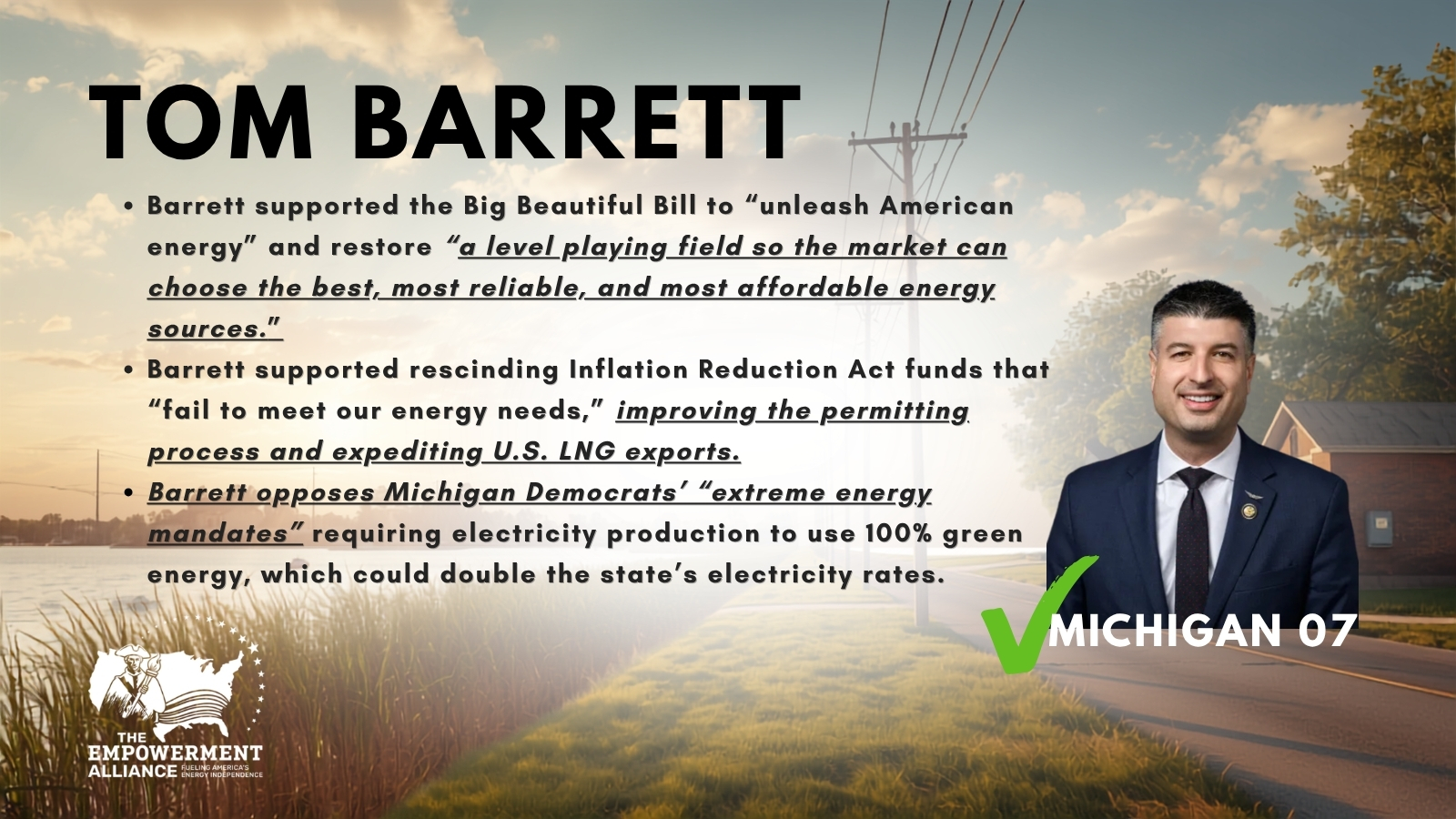
Barrett is opposed by William Lawrence who claims to have played a part in “designing the Green New Deal” and was a co-founder of the Sunrise Movement, a climate group that demands a “transition away from all forms of fossil fuels as quickly as possible” and “no new oil, gas, or coal projects.” I think we know which one of these guys will fight to lower your electric bill.
Elections have consequences
As we said at the start, elections have consequences. This analysis of the effect state-level policies have on your pocketbook is a stark illustration of that point.
That’s why we must make smart decisions when we pick our leaders at the state and federal levels. Green-at-any-cost agendas may make for feel good lines in utilities’ annual reports and politician’s rhetoric, but they should not be what drives our electricity mix. Clearly. Americans need affordable, reliable and clean energy sources and they need leaders that embrace policies like ARC Energy Security to make sure we are building an energy future that Americans can both trust and afford.