News & Research
TEA Research Archives
TEA Factsheet: America’s Common Sense Energy Agenda
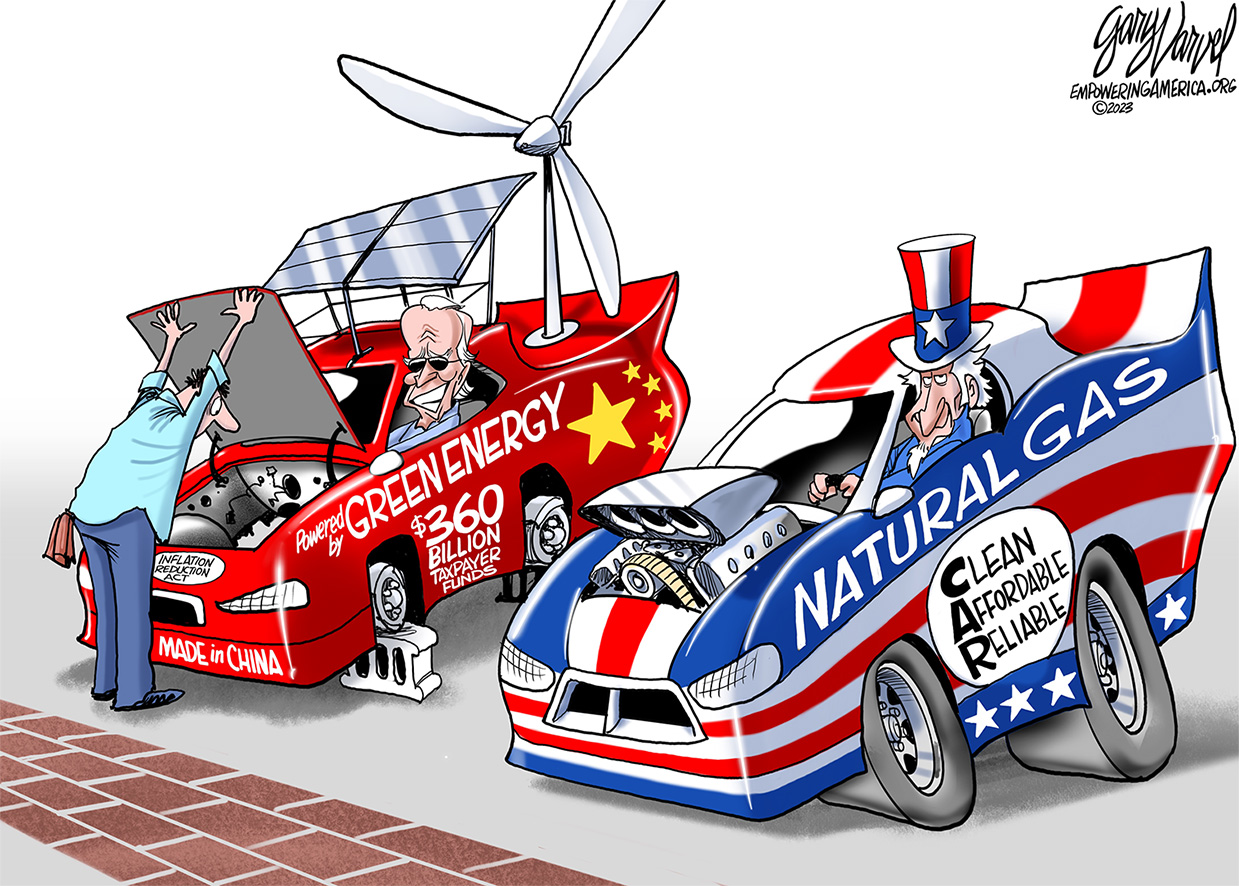
#1 - Adopt The ARC Energy Security Act. Why it matters: America is the economic leader of the world and requires a massive energy supply to sustain growth and foster the freedom and prosperity that inspires people everywhere. American natural gas provides Affordable, Reliable and…
Read MoreTea Factsheet: America’s Electrical Grid Crisis
America's Electrical Grid Crisis is on the brink of a crisis that no one is talking about. Government mandates and pledges from utilities to achieve “net zero” emissions by 2050 or sooner have led to the closure of traditional power plants fueled by coal, natural…
Read MoreTea Factsheet: Natural Gas is Green
Key Points CO2 And Other Key Air Pollutants Have Consistently Declined In The U.S. At The Same Time The Use Of Natural Gas Has Increased And The Economy Has Grown As natural gas increases, pollution goes down: Since 2005, U.S. emissions have decreased across the…
Read MoreLatest News
TEA salutes Speaker Johnson for his energy leadership
October 30th, 2024 On the one-year anniversary of being unanimously elected Speaker of the House, The Empowerment Alliance (TEA) salutes Speaker Mike Johnson for his pro-domestic energy agenda. Speaker Johnson has demonstrated an unwavering commitment to America's energy independence and dominance. Speaker Johnson, representing the…
Read More
Natural gas CARES: Farmland preservation key to Ohio’s future
The Empowerment Alliance supports natural gas CARES and its benefits to thousands of low- and moderate-income households, family farms and businesses in Ohio. We must be mindful of this rural environment, which means an emphasis on farmland preservation and protecting our soil from erosion and keeping our water supplies…
Read MoreAfternoon TEA
“Green” isn’t always clean
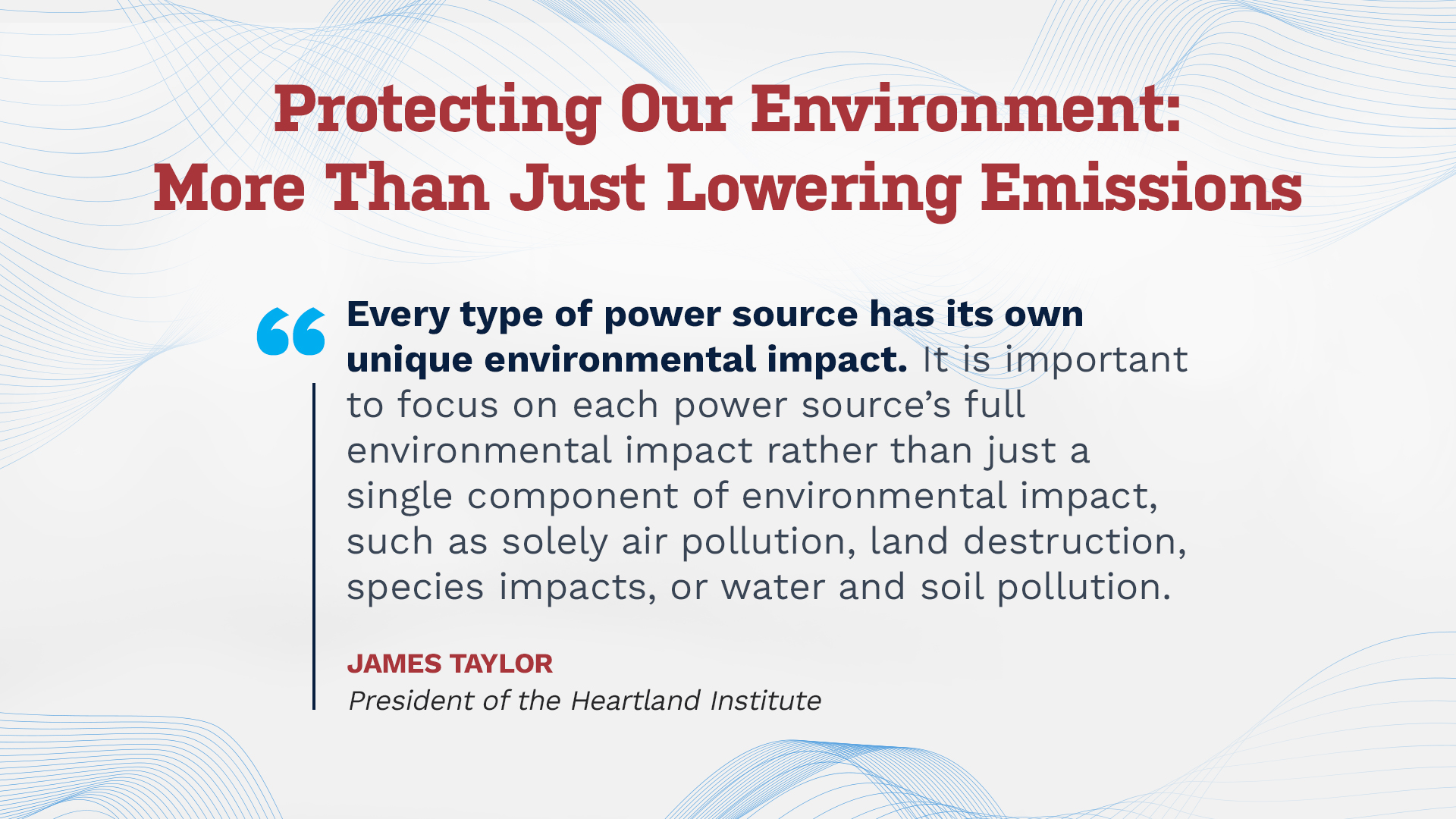
When it comes to U.S. energy policy, the green-at-any-cost crowd would have you believe that they own the idea of “clean energy.” Nothing could be further from the truth. Like most Americans, we at TEA care deeply about our earth and its environment. We just…
Read MoreAffordability 🤝 Reliability
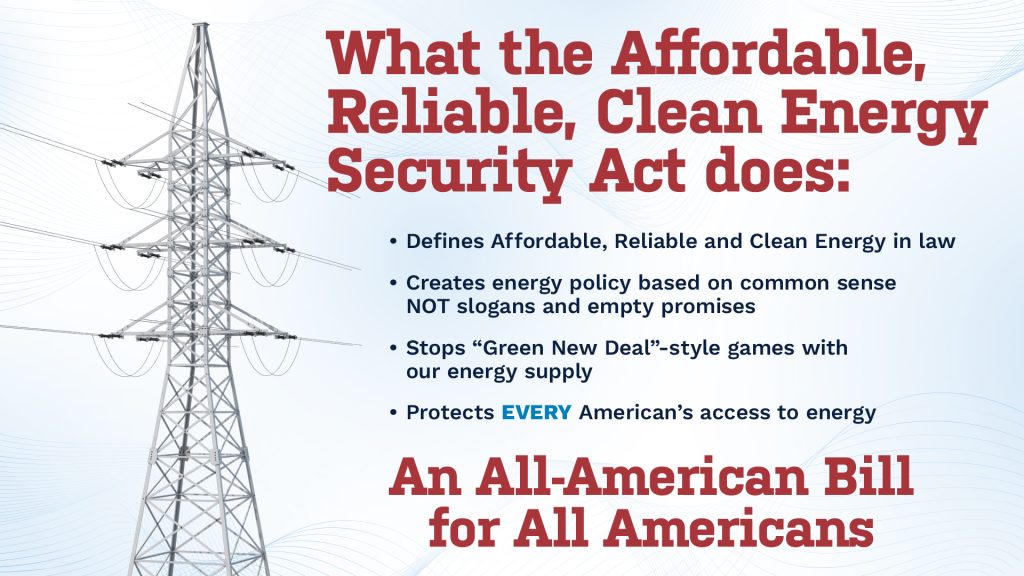
While affordability has been top of mind for most Americans these days, there’s another important aspect of energy policy that goes hand-in-hand—reliability. Reliable energy is imperative to the health, safety and prosperity of American families and businesses. We must be able to count on our…
Read More
Fuel for Thought