Where do candidates stand on energy? There is no issue more important to us all.
August 10, 2026
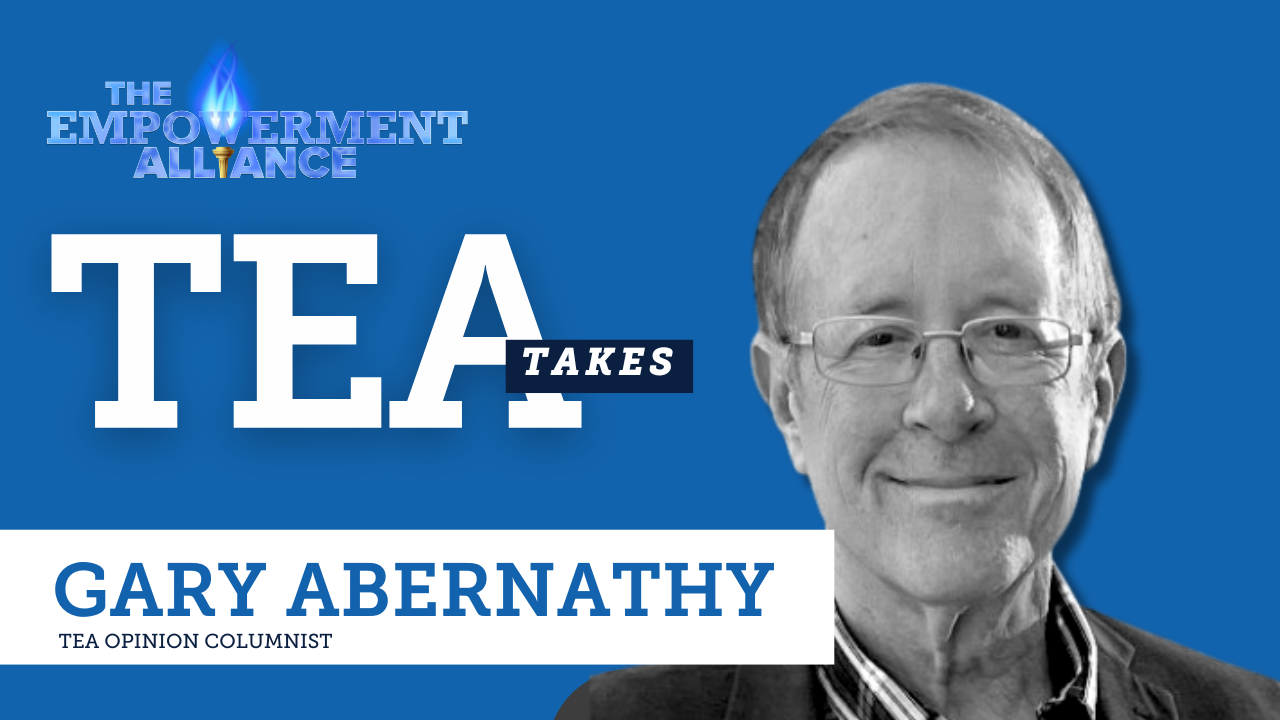
By Gary Abernathy
Whether through paid advertising or free media coverage, political parties and candidates will do their best to create the narrative they hope will motivate voters in the coming midterm elections. The top issues usually include some mix of monetary issues centered on the state of the economy, tax policy or jobs. Other times, social issues lead the way, including abortion, healthcare and education.
But no matter how campaigns try to frame their preferred topics, the issue of energy overrides
all others. No single entity impacts almost everything in American life as does the availability, reliability and cost of energy.
Consider the following:
- How much money we can spend on groceries, clothing or school supplies for our children is
dependent on how much we must first spend on illuminating, heating and cooling our
homes. Over the course of several years, studies have found that energy costs are the
determining factor in how much disposable income is available for other products and
services. - The cost of gasoline and diesel determines whether we can afford to travel to work, allow our children to participate in extracurricular school activities, or take a vacation. Last year, the U.S. Energy Information Administration reported that “drivers will spend less than 2% of their personal disposable incomes on gasoline in 2025 – the lowest share since 2005, excluding 2020,” when covid impacted travel. So far this year, Americans have seen the impact of higher gasoline prices, emphasizing the importance of polices that keep such costs affordable.
- The cost of virtually everything that is manufactured is largely driven by the energy required
in the transportation and manufacturing process. Lower energy costs mean lower prices that consumers pay for those products. When looking to lower their cost of doing business,
manufacturers almost always first explore ways to reduce their energy spending, whether
from switching from one energy source to another or cutting back on consumption – the least desirable avenue since it reduces productivity. - Inflation – the increased cost of goods and services – is determined more than anything by
energy costs, the foundation of the economy. The U.S. Bureau of Labor Statistics reports
energy costs as a primary force in the fluctuations in the Consumer Price Index. - Energy is a national security issue. When the U.S. is energy independent, it is not at the
mercy of the policies and whims of foreign countries, including our enemies. Protecting
America’s energy independence is a primary factor in ensuring our freedom and liberty.In government, tax rates and other economic policies are debated and decided. Sometimes taxes are raised, other times they are reduced. But what all Americans need to understand is that government mandates on energy can make energy costs a hidden form of taxation, draining money from household budgets.Which brings us to the most important point as we head into the fall election. Candidates on the left and right will inundate voters with their positions on healthcare, immigration, taxation, trans rights, abortion, the Middle East and more. But for voters who care about the future – for themselves, their children and future generations – determining a candidate’s stand on energy is the most important place to start.
Frighteningly, the Democratic Party is rapidly being coopted by candidates who are either proud socialists or, as is often the case, “progressives” who claim not to be socialists, but whose policies
nonetheless reflect socialism in practice.
Many candidates on the left are aligned, either openly or tacitly, with the Democratic Socialists
of America organization. What does the DSA have to say about energy? It wants to undertake a “massive investment” in the Green New Deal, with “publicly owned energy and transit infrastructure” while phasing out fossil fuels – our most affordable, reliable and abundant energy sources.
In other words, it’s the typical socialist recipe – the government seizes industry and eliminates
competition and innovation, which leads to higher prices, poorer service and increased vulnerability to foreign intervention.
High-profile advocates for the DSA-backed Green New Deal are rapidly seizing control of the
Democratic Party and are a growing influence in the halls of Congress. They are joined by a host of
upstart far-left socialist Democrats who are increasingly winning primary elections.
In the coming weeks and months, candidates, parties and independent groups will bombard us
with the issues they want to make important. But nothing is more important than a candidate’s position on energy.
Are they in favor of affordable, reliable and effective energy policies that lower the prices of all
goods and services and keep the U.S. safe and secure? Or do they believe in heavy-handed government control of energy, phasing out or eliminating our most trusted and dependable sources while mandating and subsidizing “alternatives” that fail to meet our demands and leave us reliant on foreign adversaries?
That’s the top consideration in the coming election. Study a candidate’s energy policy closely,
then choose wisely. The ripple effect will be enormous.
Gary Abernathy is a longtime newspaper editor, reporter and columnist. He was a contributing
columnist for the Washington Post from 2017-2023 and a frequent guest analyst across numerous media platforms. He is a contributing opinion columnist for The Empowerment Alliance, which advocates for realistic approaches to energy consumption and environmental conservation.