Fair question: Who’s paying for climate reporting in the mainstream media?
August 17, 2026
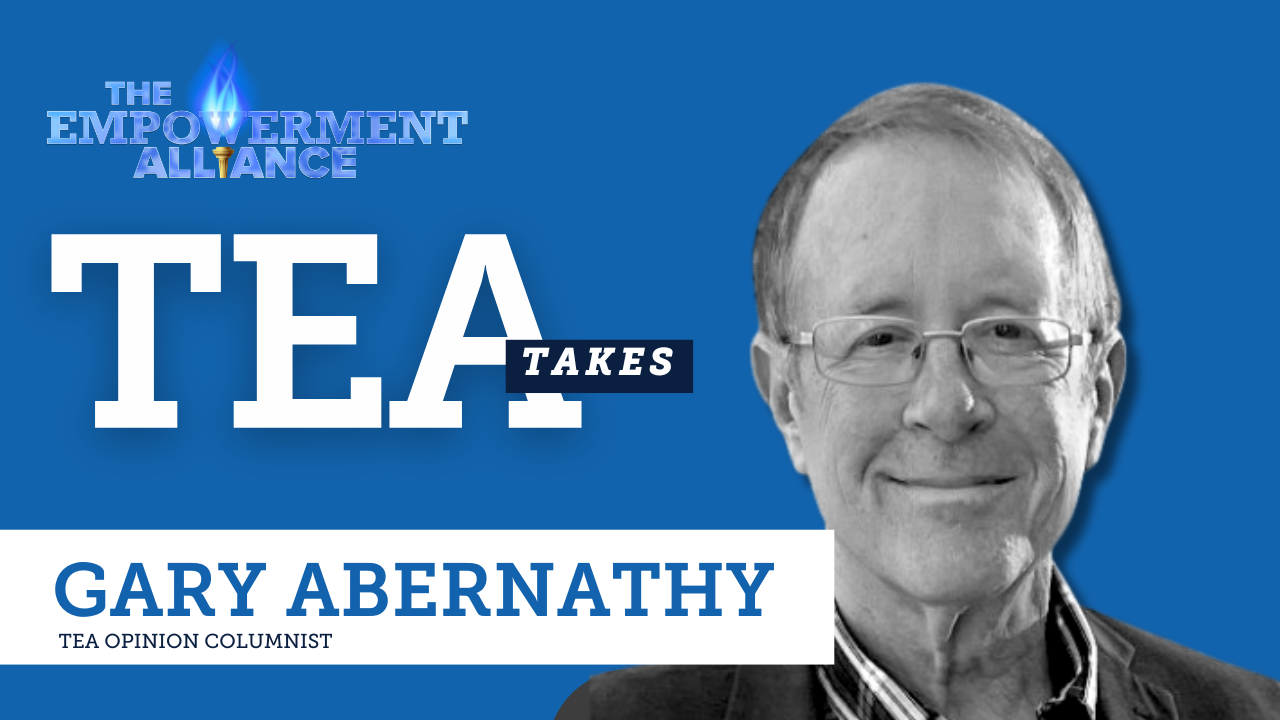
By Gary Abernathy
Anyone following my career knows that whether writing for newspapers or commenting in other forums, I have consistently expressed the same views about climate change and energy issues that I express in my columns for The Empowerment Alliance.
But as a longtime journalist, I know that wherever this column is published, or if I appear on a media outlet to discuss climate or environment issues, my association with TEA should be noted so
readers can be aware of the formal relationship.
Increasingly, readers also have a right to ask similar questions regarding a growing number of news organizations that were formerly self-reliant, but which now depend on outside help. Take, for instance, the Associated Press.
Through most of my years as a journalist, going back to the 1980s, the AP could be counted on
to deliver unbiased, fact-based journalism. Sadly, in recent years, the AP joined the New York Times, Washington Post, most broadcast and cable outlets and other leftwing news organizations – including newer digital outlets – in embracing a style of journalism that surrenders fairness for viewpoints, and detachment for activism.
The news media’s abandonment of old-fashioned journalism has contributed to their gradual
demise. Earlier this year, a Pew Research Center analysis found that “a majority of Americans (57%) express low confidence in journalists to act in the best interests of the public.”
As evidence of leftwing bias, the survey found that “Democrats and Democratic-leaning
independents (61%) are more than twice as likely as Republicans and GOP leaners (25%) to say they have confidence in journalists to act in the best interests of the public.” That’s not surprising when reporting overwhelmingly favors Democrats and their progressive (and increasingly socialist)
officeholders, candidates and policies over Republicans.
Over the years, the lack of trust in journalism led to fewer subscribers, resulting in fewer
newspapers and, naturally, fewer outlets subscribing to the Associated Press news service.
To fend off complete obliteration, the AP adopted a model that includes accepting “support” to
help fund its reporting. For instance, a recent story on an appeals court ruling against the Trump
administration regarding Biden-era clean energy projects included this note: “The Associated Press
receives support from the Walton Family Foundation for coverage of water and environmental policy.”
The Walton Family Foundation is an organization devoted, in part, to environmental causes. Its
political position is clear – back in 2022, it applauded passage of President Biden’s so-called Inflation Reduction Act, a giveaway of billions to the climate crusade.
“The challenges of climate change have and will continue to impact every aspect of our lives,”
the Walton Foundation declared at the time. “Government, business, tribal nations, philanthropy,
advocates, and others will all need to build on this historic investment together to continue to build
momentum for a more resilient future.”
The AP insists, of course, that it is editorially independent and“solely responsible for all content” of its climate stories. But consider this – the Walton Foundation’s original two-year $785,000 grant in 2021 funded three AP reporters (and, presumably, related expenses), according to the foundation. Just two years later, the grant had grown to a three-year commitment totaling $2.5 million.
The foundation announced on April 21, 2023, “This three-year grant builds on previous support
establishing an Environment and Water beat with three dedicated reporting positions. The new grant
will continue to fund two text reporters and a video journalist dedicated to water and environmental coverage, while also adding a Spanish-language reporter and photographer. AP retains complete
editorial control.”
But the Walton Foundation represented just one strand of a sprawling financial web. In 2022,
the AP announced that “it is assigning more than two dozen journalists across the world to cover climate issues, in the news organization’s largest single expansion paid for through philanthropic grants.”
In fact, the grants totaled more than $8 million over three years “and about 20 of the climate
journalists will be new hires. … Five organizations are contributing to the effort: the William and Flora Hewlett Foundation, the Howard Hughes Medical Institute, Quadrivium, the Rockefeller Foundation and the Walton Family Foundation.” That same story noted that about “50 AP journalists have jobs funded through grants,” and outlined similar arrangements by other news organizations.
To be sure, the AP and other organizations typically disclose their funding arrangements – disclosures that make it appropriate for readers to consider whether millions funneled to news
organizations from institutes and foundations influence how news outlets present their coverage. It
further blurs the distinction between articles written for “special interest” groups, compared to
reporting by AP and other “legitimate news” outlets that are funded (even in part) by grants.
I’m happy for reporters who get to keep working because of outside money, even as I recognize
that traditional journalists are dwindling and being replaced by advocates. But the climate change
movement can cost society billions and put our most effective energy sources at risk. Knowing that
much of the reporting on this subject is being funded by groups that are all-in on climate change
advocacy is important information as we’re digesting such stories.
Whether its climate reporting or any other issue, news consumers should always look for
disclosures on who’s funding the work – and wonder to what degree that funding might influence the information they’re being asked to believe.
Gary Abernathy is a longtime newspaper editor, reporter and columnist. He was a contributing
columnist for the Washington Post from 2017-2023 and a frequent guest analyst across numerous media platforms. He is a contributing opinion columnist for The Empowerment Alliance, which advocates for realistic approaches to energy consumption and environmental conservation.