ARC-ES Issues on the SCOTUS Docket
October 8, 2026
Need to know
- Check out TEA’s website for the latest in energy news and opinion.
- TEA Takes: In This Midterm Election, Voters Have The Power To Take Control
- Afternoon TEA: Affordability 🤝 Reliability
- Google and Constellation Energy Strike a Sweeping Nuclear-Power Deal
- Opinion: The climate energy transition was a broken promise
- Solar for All grantees seek damages from EPA over ‘devastating’ cuts
RealClear
- Energy Affordability: IQ Test for New Yorkers
- Republican Attorneys General Are Fighting to Lower Energy Costs
Common Sense
DEREGULATION ON THE SCOTUS DOCKET?: The Supreme Court started its fall session this week, and we are on the edges of our seat to see it they will put The Buckeye Institute’s Ream v. U.S. Department of Treasury on their docket. The case challenges the authority of Congress to ban home-distilling under the Commerce Clause but h much greater implications for energy policy.
Why it matters: The case addresses potential limits on the broader role of federal regulatory power. For infrastructure, that matters. Federal agencies have long used expansive interpretations of these powers to delay or block pipelines, power grids and other essential projects. If those powers are curtailed, decision-making shifts back to the states — where critical infrastructure can move forward based on local needs, not one-size-fits-all federal mandates.
Consider: Projects like pipelines or LNG terminals often face National Environmental Policy Act reviews and the Endangered Species Act restrictions, as well as Federal Energy Regulatory Commission oversight. This case reinforces federalism, meaning federal agencies lose leverage over infrastructure. States gain control and, as a result, developers should face fewer nationwide regulatory barriers.
- In April, The Fifth Circuit court heldthe current law exceeds Congress’ authority under the Taxing and Necessary & Proper Clauses. But, just days before the Sixth Circuit upheld a ban under the Necessary and Proper Clause as a means of collecting the federal excise tax on spirits, but recognized that the law exceeds Article I’s Taxing Clause on its own.
- So, Ream also forms part of a circuit split, which is an important consideration when the Supreme Court considers taking a case up.
- The case has been distributed to the Justices for Conference. In layman’s terms, that means they are weighing the writ of certiorari and related briefs—from organizations like the Competitive Enterprise Institute and the National Taxpayers Union Foundation among others—to decide if they will hear arguments on the case in this session.
For infrastructure, it could mean easier approvals and less delays building in pro-development states.
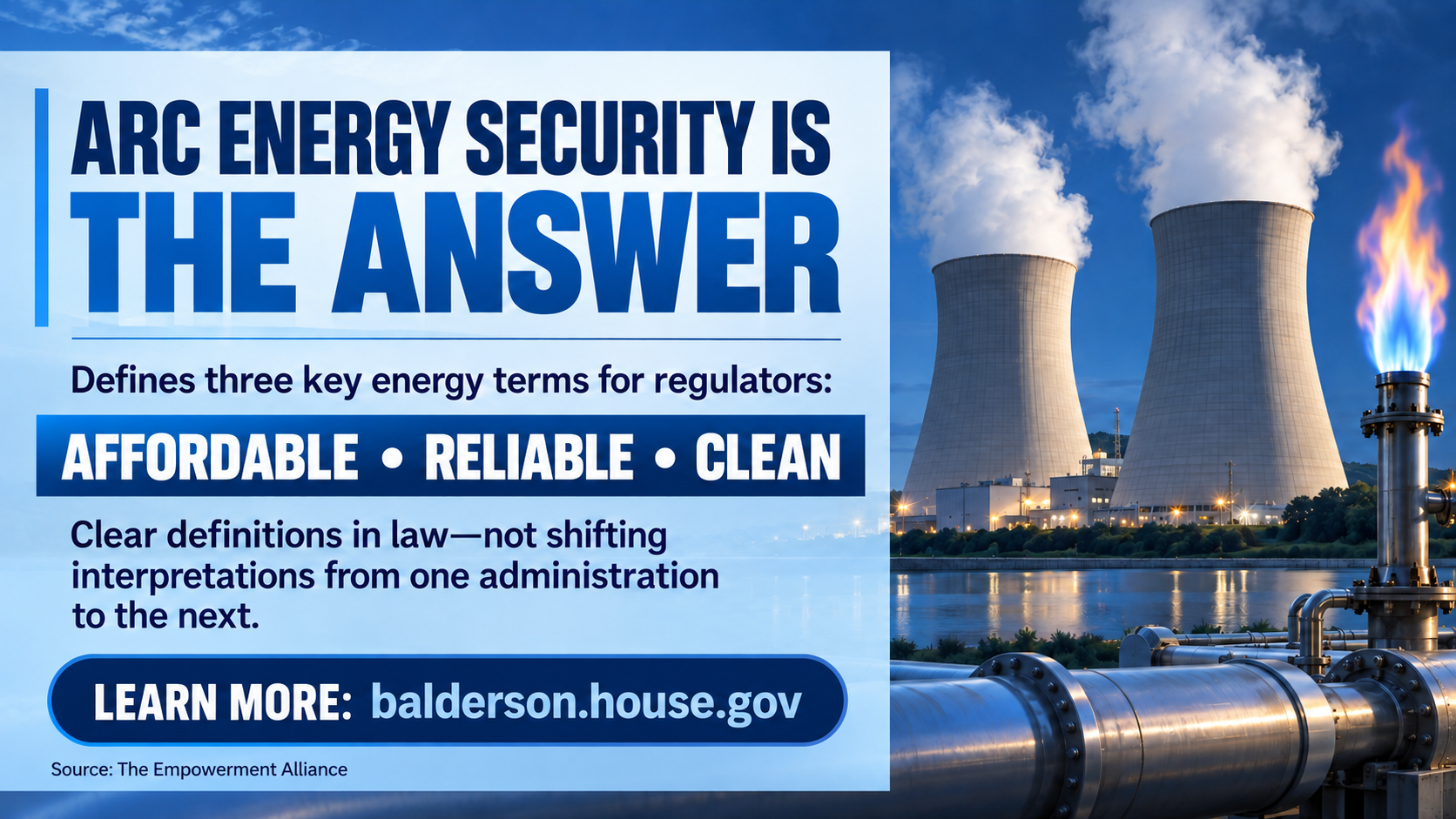
Bottom line: Whether it’s distilled spirits, digital data or natural gas pipelines, interstate commerce should move freely — powering Affordable, Reliable, Clean Energy Security and continuing a strong “Build, Baby, Build” agenda. The Ream case is less about alcohol and more about redefining the outer boundary of federal power and how it may affect energy and other vital sectors of our economy. This ruling and related Commerce Clause cases can be real game-changers regarding our republic’s prosperity.
Nonsense
ROCKY MOUNTAIN HIJINKS: In other Supreme Court news, the Court heard a case on Monday in which the city of Boulder, Colorado is suing oil companies for damages they claim came from climate change.
Why it matters: Much like the overreach of federal agencies, we’ve also seen the green-at-any-cost crowd use the courts to stall our energy security before. But this one could set a dangerous precedent. If the city wins, similar lawsuits from local governments could snowball to block much-needed energy projects across the country and skyrocket costs for American consumers.
Consider: The city’s lawsuit is trying to make what is inherently a federal issue—emissions don’t stop at state or international borders—into a potential minefield of lawsuits from like-minded, left-leaning municipalities. The Court’s decision in the case is expected by June 2027.
Bottom line: The costs of this case will eventually be passed on to everyday American families—most of which live far away from Boulder—through higher prices at the pumps and everywhere else where the cost of energy plays a part (i.e. everything).