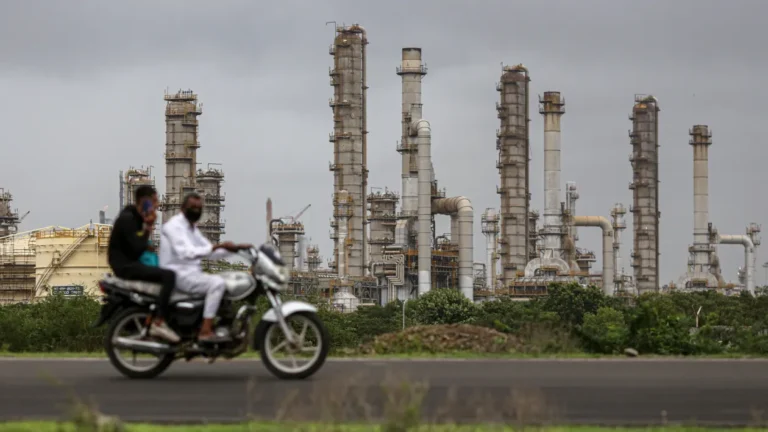
LONDON (Reuters) -Oil prices fell to their lowest in a week on Monday after OPEC+ agreed to another large output increase in September, though traders remained wary of further sanctions on Russia.
Vattenfall is continuously working to explore how power generation facilities can serve beneficial purposes in addition to the production of fossil-free electricity. One such initiative is WIN@sea, a project in which Vattenfall, together with various partners, is investigating how offshore wind farms can also be…
Something important happened this week, if the fuming response is anything to go by. The country is witnessing the rise—finally—of a scientifically armed and debate-ready climate right. The “consensus” gatekeepers don’t like it one bit.
India is navigating a tricky balancing act after U.S. President Donald Trump threatened a “penalty” over its continued imports of Russian oil — a trade that New Delhi appears reluctant to end anytime soon.
China is restricting the supply of critical minerals to U.S. military manufacturers, the Wall Street Journal has reported, adding that this has forced companies to delay order deliveries as they sought alternative suppliers.
Darren Woods, the chief executive of Exxon Mobil, expressed confidence in the health of the economy, even as lower oil prices dragged the company’s profit in the second quarter to its lowest level in years.
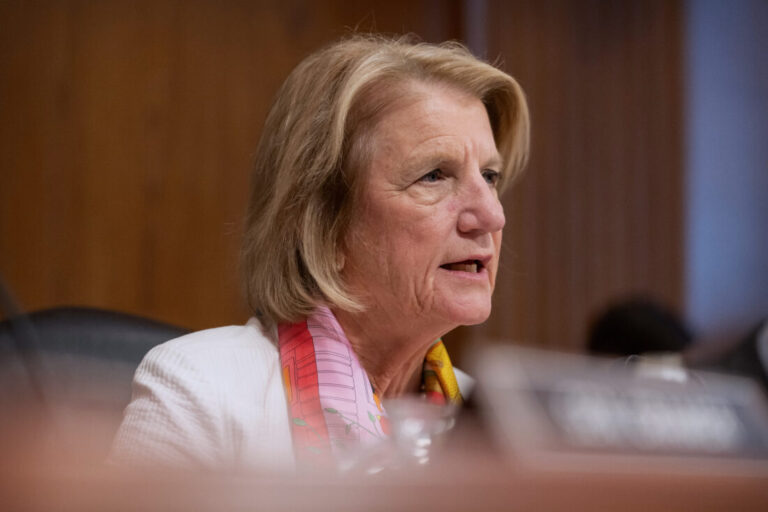
CHARLESTON — Permitting reform is once again a major focus of U.S. Sen. Shelley Moore Capito, and she believes that lawmakers can get a package to the desk of President Donald Trump by the end of the year.
The Trump administration has given a government stamp of approval to the contrarian claims of a group of conservative researchers who for years have positioned themselves as being part of a Galileo-like quest to question mainstream climate science.