Data Centers Must Pay For Energy Costs
February 26, 2026
Need to know
- Check out TEA’s website for the latest in energy news and opinion.
- Afternoon TEA: Energy Reliability: A Life-Or-Death Matter.
- TEA Takes: Why climate hysteria and far-left media are reaching their end.
- Revolutionary Wind moves to secure injunction against federal lease halt order.
- Why California could be the big winner as EPA abandons climate policy.
- Carmakers took a $50B loss on EVs.
- Republicans worry the party won’t do enough to address costs before midterms.
- Weighing Keystone XL revival as Montana pipeline proposal emerges.
- Supreme Court grapples with venue question in Michigan pipeline fight.
RealClear
- Heartland’s James Taylor: Trump Right to Repeal “Endangerment Finding,” Should Pass Balderson’s ARC Bill Next.
- Opinion: Affordable and Reliable Energy Powers Prosperity.
- Opinion: LNG Exports Are Not Driving Up Prices; Policy Failures Are.
Common Sense
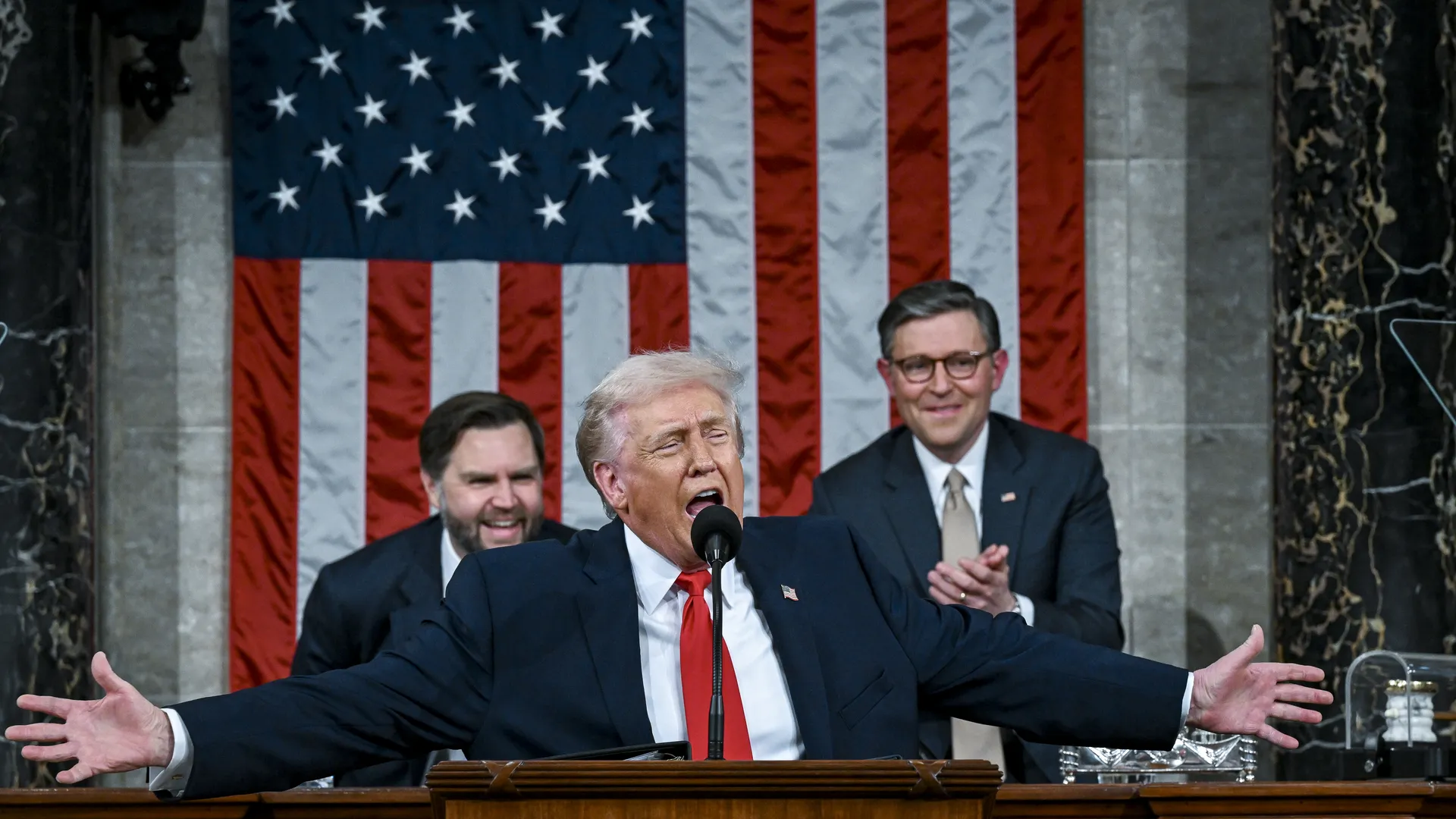
PROTECTING THE CONSUMER: President Trump announced during his State of the Union speech Tuesday night that his administration has struck agreements with major tech companies to make them shoulder a greater share of the energy cost burden associated with data centers.
Trump calls it a “ratepayer protection pledge” program that he described as an “obligation” for major tech companies to provide their own power for the energy-hungry data centers fueling the artificial intelligence boom. He did not specify what the pledge entailed or which companies had agreed to it.
There is growing bipartisan support among U.S. lawmakers at both federal and state levels for policies requiring data centers to pay for their own power and associated infrastructure costs.
Why it matters: This is welcome news for most consumers. Make no mistake, we support artificial intelligence and data centers.
Good jobs and economic development are vital to our communities, our future and beating China in the AI race. But it simply can’t be done on the backs of already burdened households and small businesses.
Consider:
- 57% of Americans live paycheck to paycheck.
- About 47% can’t cover a $1,000 emergency expense.
- Nearly one-third of US households earn under $50,000 a year.
These groups of people are reasons why affordable energy is paramount. When you place innumerable regulations on manufacturers it does two things: It hinders innovation and development and, ultimately, it raises consumer prices.
American voters made it clear what they prefer in the last general election, affordable and reliable energy. We must continue to deliver on the promise of lower energy prices — or risk losing the momentum that the Trump administration is building.
- Gas prices have now fallen for the seventh straight week – now their lowest in almost 5 years and trending lower.
- As we enter the era of Energy Dominance, energy prices will fall further — igniting other price declines.
- The Interior Department has clawed back National Environmental Policy Act (NEPA) regulations that curbs and streamlines environmental reviews. This also helps energy companies continue to provide us with affordable energy.
Taking it a step further would be federal legislation such as Ohio Rep.Troy Balderson’s “Affordable, Reliable, Clean Energy Security Act.” The bill would establish clearer definitions of key terms like “affordable,” “reliable,” and “clean,” ensuring that investment risks are limited to cost-effective infrastructure projects.
Bottom line: Fewer regulations on producers results in stronger domestic energy production and energy affordability.
Nonsense
STUPID IS AS STUPID DOES: Michigan’s recent decision to join nearly a dozen states in pursuing legal action against energy producers highlights a troubling trend: some “progressive” policy makers are choosing lawsuits instead of practical energy solutions.
It’s patently absurd, as this piece illustrates. It accuses the oil companies of a grand deception campaign.
Why it matters: These cases are often presented as efforts to hold companies responsible, but in reality they risk targeting the very sector that keeps American homes heated, our factories running and various forms of transportation moving.
One bright light is a Wyoming lawmaker’s effort to shield oil companies from climate lawsuits is more than a local or regional policy debate. It’s a test of whether America will protect the industries that power its economy or allow them to be tied up in the court system for years.
Consider:
- Oil and natural gas still power most of America’s energy.
- Targeting producers with sweeping lawsuits risks deterring investment, cutting domestic supply and driving up costs.
- Instead of courtroom battles, state and federal policymakers should focus on strengthening energy supply and stability.
That’s where ARC energy security model legislation offers a better path. By prioritizing affordability, reliability, and clean innovation, it would support domestic production while helping ensure Americans aren’t stuck paying higher energy bills.
Energy policy should be grounded in real-world needs, not legal battles. If the goal is to protect American consumers and maintain a strong energy system, the answer isn’t to sue the very industry that fuels the nation. Rather, we should support it responsibly.
Also, US natural gas production is forecast to reach record highs in 2026 and 2027. This is more good news for consumers.
Bottom line: If we all want affordable energy, we should build it — not seek legal action to destroy it.
A look ahead
Nothing on the calendar for next week.
Quote of the week
“I’m sure these big companies that are willing to pledge that they’re not going to raise electricity rates, they’ll build their own power supply — I would support legislation to do that.”
—Sen. Josh Hawley (R-Mo.)
Photo Credit: The New York Times