Energy dominance ‘Trumps’ world conflicts
March 5, 2026
Need to know
- Check out TEA’s website for the latest in energy news and opinion.
- TEA Takes: At a time of international turmoil, ARC-ES can bring energy stability to the U.S.
- Data centers’ share of US electricity seen doubling by 2030.
- AI can help deliver America’s next phase of energy dominance.
- Clock starts ticking on US climate treaty withdrawal.
- California’s green policies destroy blue-collar jobs.
- Woodside warns LNG glut fears may be overstated.
- PJM proposes a fast-track interconnection plan, price collar.
- Opinion: A smarter energy future for Ohio.
- Putin Floats Immediate EU Gas Cutoff.
RealClear
- Science demands that we overturn The ‘Endangerment Finding.’
- Opinion: Why America must win the AI race.
Common Sense
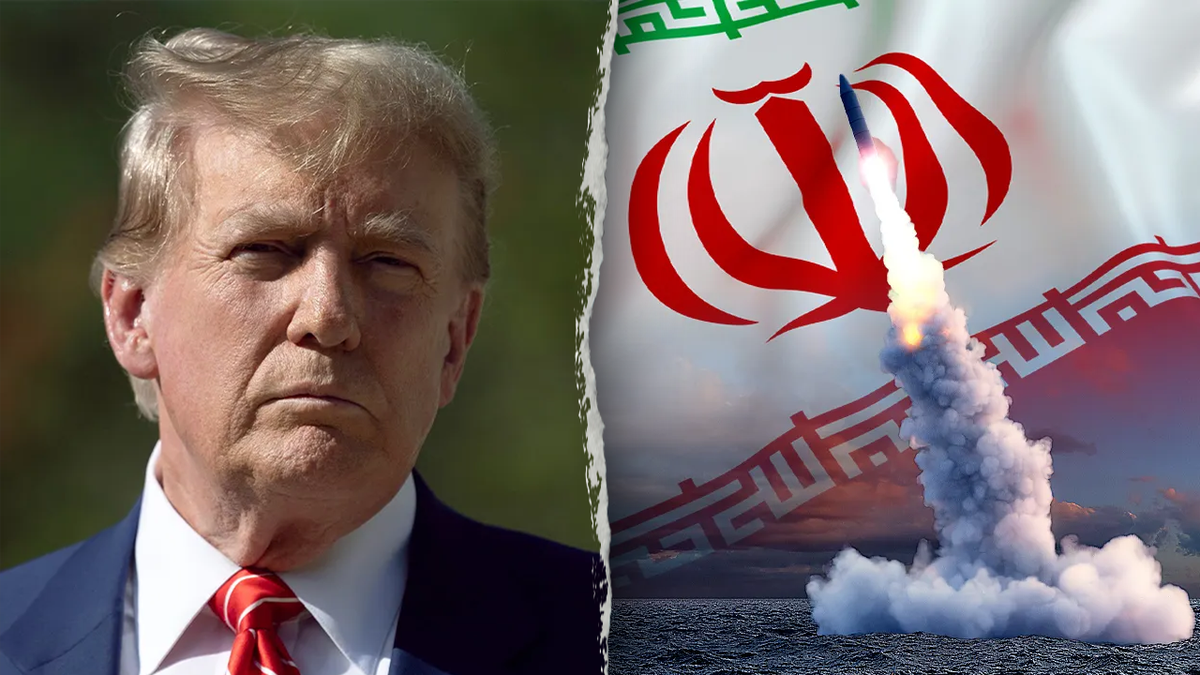
NO REASON FOR UNCERTAINTY: After this week’s strikes on Iran, the Strait of Hormuz is now vulnerable as millions of barrels of oil pass through it daily, along with significant LNG shipments. About 20% of the world’s oil is shipped through that narrow passage of water.
Why it matters: A blockade, closure or even increased instability there would sharply disrupt energy flows and could drive up global prices. Naturally, there is uncertainty regarding the trickle down to consumers, primarily gasoline prices.
The good news is that we have enough “significant proven reserves” to withstand any disruption stemming from the conflict. There are 415 million barrels of crude oil in the Strategic Petroleum Reserve (SPR).
Consider:
- During the first Trump administration, the U.S. became a net exporter of energy in 2019.
- We still produce more energy than we consume.
- Oil prices are always impacted, at least somewhat, by events outside our borders.
America is more energy independent than ever, despite efforts by the Biden administration to thwart that growth. Shutting down pipeline construction and tying up oil and natural gas projects in court are, thankfully, a thing of the past.
Reminder: When President Trump first left office, Iran’s oil exports were down to 100,000 barrels. Under Biden, Iran’s oil exports skyrocketed to 1.7 million. All while the Biden administration waged a war against American energy producers.
Upgrading our infrastructure remains a priority. Modern refineries are essential, along with more pipelines to transport it, and a strong electric grid to distribute it.
Of course, passage of the proposed ARC Energy Security Act into law would help insulate the U.S. from market fluctuations resulting from actions and events overseas. Congress needs to push this legislation forward, in light of recent events and the imminent threat of future ones, with utmost urgency.
Of course, passage of the proposed ARC Energy Security Act into law would help insulate the U.S. from market fluctuations resulting from actions and events overseas. Congress needs to push this legislation forward, in light of recent events and the imminent threat of future ones, with utmost urgency.
Bottom line: Making America Great Again means making energy affordable, reliable and clean — and dominant enough to withstand any international actions that would affect consumer pricing.
Nonsense
RENEWABLES FALLACY: Reports indicate the US will build more solar, battery and wind in 2026. Still, gas dominates the existing power plant fleet, producing about 40% of annual generation, compared with less than 10% percent from solar.
Why it matters: There are several good reasons for that, not the least of which is reliability. Remember what energy expert Alex Epstein says: “Solar and wind are not real power sources. They’re intermittent fuel-savers.”
He further states If you want to understand why intermittent solar and wind are not rapidly and cheaply replacing fossil fuel power, there is no better case study than their frequent disappearance during the high-demand week of Winter Storm Fern — and the high costs this imposed on consumers.
Oddly, some MAGA influencers are pushing hard for solar through media partnerships. We remind them that costly and unreliable solar hurts their lowest income earners the most.
Consider:
- The electricity grid that our lives and prosperity depend on requires that power plants and their supporting infrastructure — pipelines, transmission lines, distribution lines — provide exactly as much supply of electricity as consumers demand.
- If our power plants can’t do this, the grid simply blacks out.
- Wind frequently provided very little electricity at times of high demand during Storm Fern.
- Solar, which many tout as superior, performed far, far worse. As often happens during winter storms, solar was largely useless during the times of highest demand (evening and early morning).
Bottom line: Claims that solar or wind could power the nation or the world are terribly misleading. Those sources aren’t on-demand, and reliable energy (nuclear and natural gas) more than fill that need.
A look ahead
Nothing on the calendar for next week.
Quote of the week
“Countries that are dependent on Middle Eastern reserves are going to have to look closer to home. If you’re relying heavily on foreign suppliers and something like this happens, you’re more exposed to volatility and instability.”
— Energy expert Gabriella Hoffman
Photo Credit: Getty Images