“Green” isn’t always clean
October 18, 2026
When it comes to U.S. energy policy, the green-at-any-cost crowd would have you believe that they own the idea of “clean energy.” Nothing could be further from the truth. Like most Americans, we at TEA care deeply about our earth and its environment. We just know that empty “green” rhetoric and failed, taxpayer-funded policies don’t add up to clean energy or a better environment.
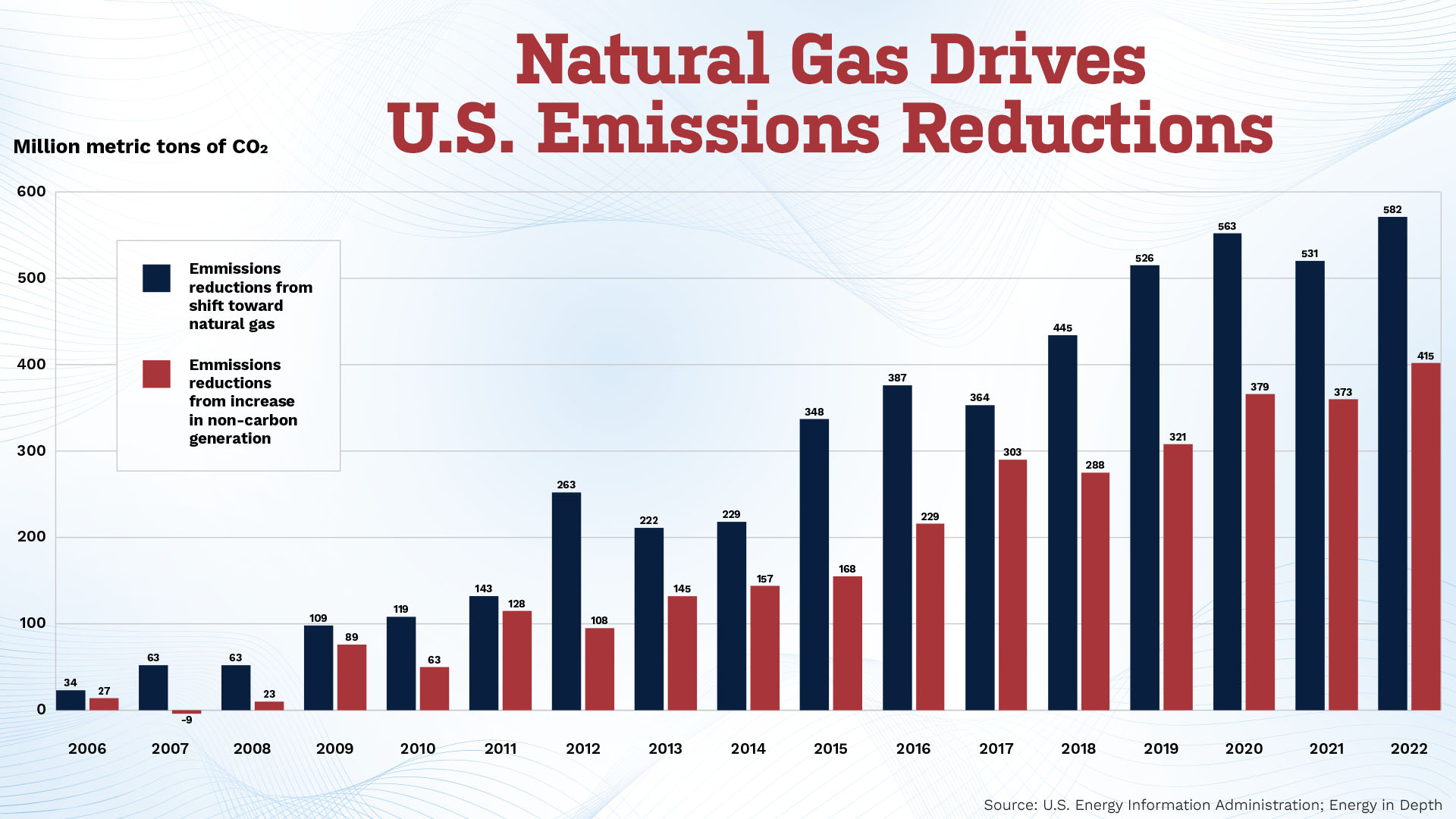
The truth of the matter is the United States has been moving in the right direction on clean energy for decades. The U.S. is a world leader in lowering emissions. Since 2005, the natural gas we use for power generation has cut nearly double the emissions that renewable sources like wind and solar have. And, U.S. environmental standards protect our air, land and water better than any other nation with comparable size and economy. We can and will do both—protecting our environment and powering our nation—through initiatives like Affordable, Reliable and Clean Energy Security (ARC ES) legislation both at the federal and state levels.
Clean energy that works
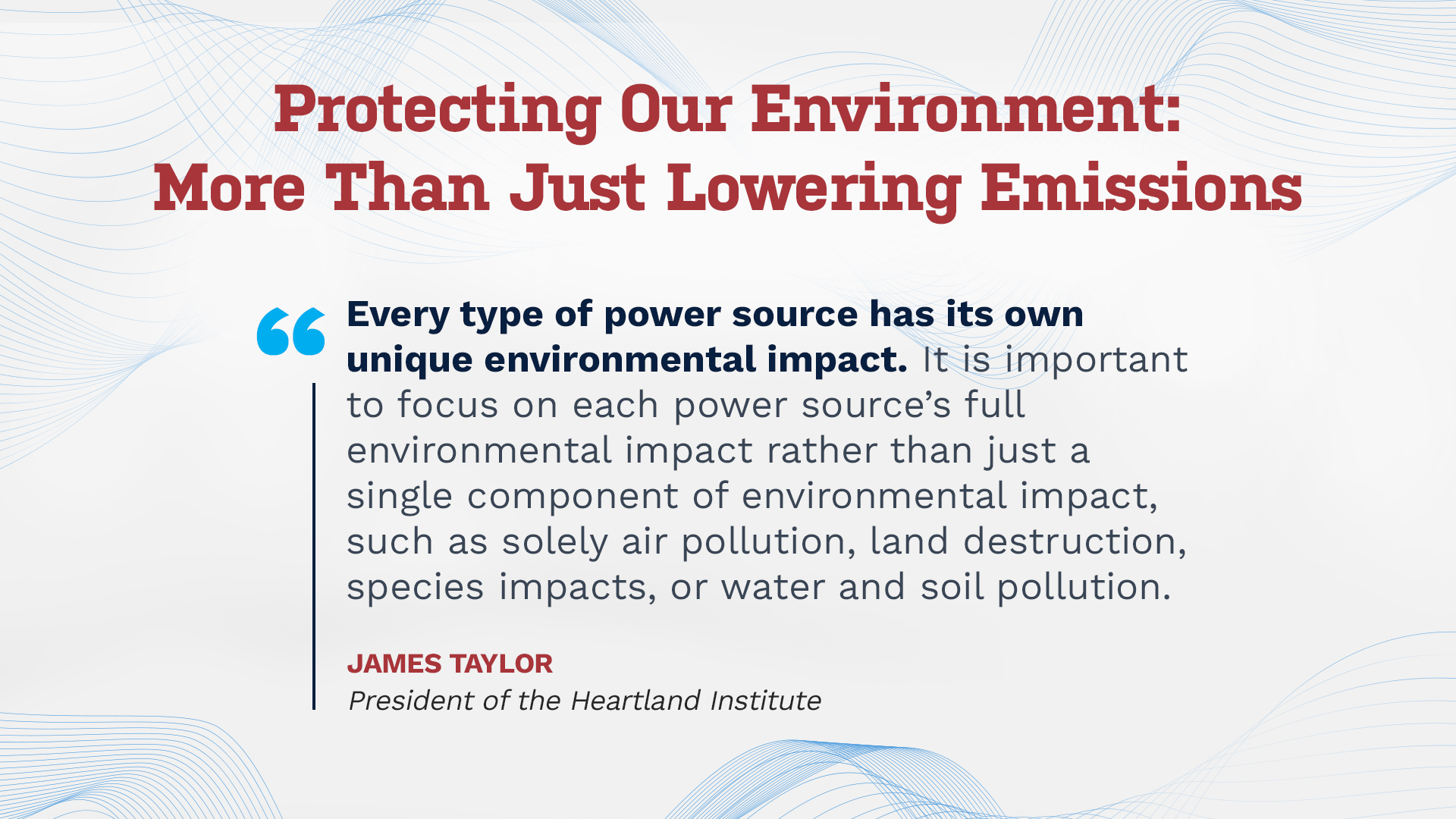
One of the dangers of the climate hysteria we have seen take hold over the last several years is the false belief that lowering emissions is the only thing we need to do now to protect our environment. A recent study conducted by the Heartland Institute looked at several factors from various energy sources used to provide electricity. The reality is environmental stewardship still includes a multitude of considerations besides air pollution like “land destruction, species impacts, or water and soil pollution.” As the Heartland Institute says, “Every type of power source has its own unique environmental impact.” And, when you consider impacts outside of just emissions, wind and solar are hardly the clean and green energies their disciples would have you believe.
Compared to a traditional power plant, it takes about 60 square miles of solar panels or 320 square miles of wind turbines to generate the same amount of power. Wind and solar also require the mining of metals and rare earth minerals, which can produce toxic pollution especially when mined in countries with lax environmental protections unlike those we observe in the United States.
And, when it does come to lowering emissions, energy sources like nuclear and natural gas are still top of the class. Nuclear is a truly zero-emission energy source. And, its effect on other environmental concerns like land use and water pollution are minimal compared to so-called greener sources. Heartland Institute President James Taylor: “Natural gas produces some emissions but is relatively clean burning. Natural gas emissions are closer to zero than they are to the emissions of coal and biomass.” Emissions from electricity production have decreased over 60 percent due to increased use of natural gas. On paper, wind and solar are zero-emission energy sources. But, in practice, it has been the increased use of clean-burning natural gas for electricity that has truly made a difference in the United States’ emissions reductions.
You can’t have clean, without affordable and reliable
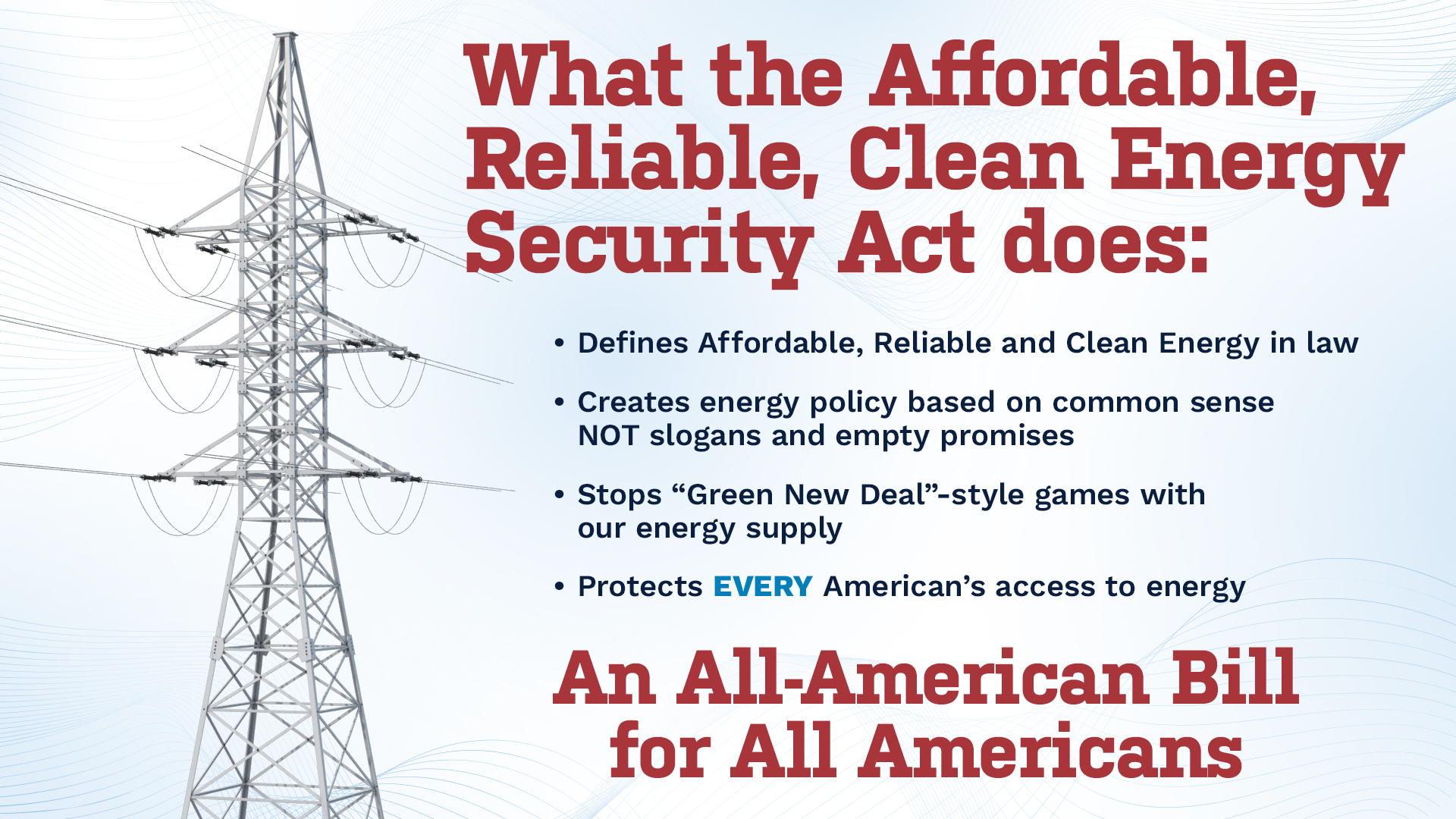
And, that’s why we need a common-sense law that brings balance to our energy policies. Clean energy is so important, but it simply does not work without balancing it with affordability and reliability. The Affordable, Reliable, Clean Energy Security Act (ARC-ES) embraces the affordable, reliable and clean energy principles that TEA has been promoting since day one—providing the perfect formula to ensure America’s energy security. ARC-ES would create simple and straightforward definitions in law for what is affordable, reliable and clean energy.
These simple definitions will finally create the policy environment necessary to stop the “Green New Deal”-style games that politically motivated extremists have been playing with our energy supply for years. And, that is going to provide truly clean energy sources that work for everyday Americans more than the extreme policies that fail again and again. Rather than the government blocking productivity and driving up costs by picking winners and losers, this policy will set fair and sensible rules under which the best energy options win.
Here’s the details
Introduced by Congressman Troy Balderson (OH-12), this bill would protect every American’s access to their energy birthright. And, the best part, this legislation is simple and built on one of our favorite things here at TEA—good, old-fashioned common sense, not empty green promises and political slogans.
This is how the press release from Rep. Balderson’s office puts it: “Upon enactment, the legislation would require relevant federal agencies—such as the Department of Energy, Department of the Interior, and the Environmental Protection Agency—to review any actions relating to affordable, reliable, or clean energy within 90 days and submit a report to Congress. The bill guarantees that our most affordable and reliable energy sources, including nuclear and natural gas, remain part of the energy mix – a crucial requirement to guarantee affordable and reliable energy for American households and businesses. Agencies would be directed to ensure that rulemaking, grant programs, and policies are updated to reflect and incorporate the definitions established in this bill, and submit a final report to Congress within 180 days detailing their implementation.”
The act defines clean energy as, “any energy generated using—an energy source listed in section 203(b) of the Energy Policy Act of 2005 (42 U.S.C. 15852(b)); a nuclear reactor; or the combustion of hydrocarbons, in accordance with the national ambient air quality standards under title I of the Clean Air Act (42 U.S.C. 7401, et seq.), including any such energy that is generated using natural gas.” Now, in layman’s terms, that all means that the act recognizes what we at TEA have been saying all along—the United States already has one of the strongest sets of policies to protect our environment of any nation on earth. And, as a result, we’ve already got the answers for clean energy, illustrated by the amazing emissions reductions we’ve had for decades.
Common sense, not scare tactics
The climate hysteria crowd’s scare tactics have taken their toll—68% of U.S. adults have reported having at least some anxiety about climate change. A 10-nation survey found that 84% of people ages 16 to 25 were at least moderately worried about climate change, and 45% said their feelings about climate change negatively affected their daily lives. But, we don’t need to be scared, we need to be smart. We’ve already come so far on clean energy, and we have the answers for the future at our fingertips. ARC-ES provides the common-sense solution that will keep our earth clean, our lights on and our future fear-free.