It’s Time To Get Real On Climate!
April 9, 2026
Need to know
- Check out TEA’s website for the latest in energy news and opinion.
- Afternoon TEA: America should update the Jones Act now.
- TEA Takes: After all these years, alternatives are finding ways to stand on their own.
- Chevron, Microsoft team up for giant Texas gas power plant.
- Tech cash flows to Texas lawmakers debating data centers.
- Mills: The Fourth Age of Oil Upon Us
- OPEC+ agrees to boost output when the Strait of Hormuz opens.
- Why high oil prices are good for oil companies — until they aren’t.
RealClear
- Fossil Fuels Shine Light of Hope in Africa.
- Video: Why Energy Predictions Are Almost Always Wrong.
- Frozen Fuel: Alaska Eyes Another Epic Pipeline.
Common Sense
TRADITIONAL ENERGY: The White House has released its fiscal 2027 budget request, unveiling plans to continue waging its long standing war against renewable energy and climate initiatives while boosting support for artificial intelligence and fossil fuels.
Why it matters: The administration is supporting efforts to boost funding for oil and gas production, mining, manufacturing and AI development.
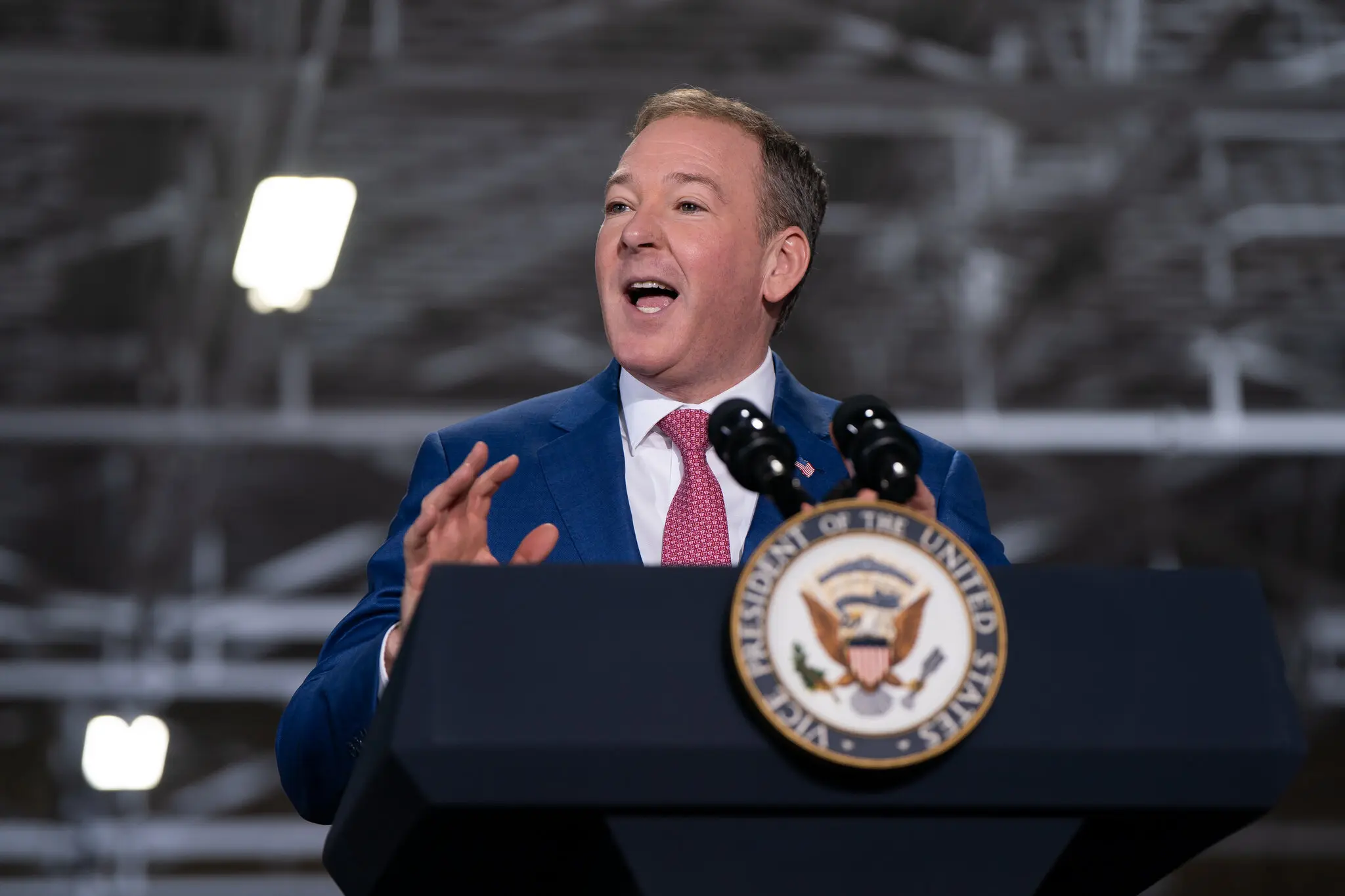
In an historic move, EPA Administrator Lee Zeldin addressed the The Heartland Institute’s climate realism conference Wednesday morning.
“We aren’t just following blind obedience to the dire, doom and gloom prediction of the day from John Kerry, Al Gore and AOC. We won’t sign up for the script that the world is imminently about to end,” he said. “We must follow the best available reading of the Clean Air Act and other laws.”
Zeldin in February eliminated the Obama-era Endangerment Finding, saving taxpayers $1.3 trillion. This critical measure will lower the cost of trucks due to fewer regulations.
Gov. Patrick Morrissey of West Virginia also spoke. He has advocated for traditional energy sources natural gas and coal. As the state’s Attorney General he fought and defeated the Obama Clean Power Plan.
“West Virginia will be leading the way in America’s energy comeback in a way you haven’t seen before. My efforts are driven by a belief that it’s a shining state in the mountains … and use our vast amounts of energy resources.”
Gov. Morrissey said he wants to protect those assets, as well as explore nuclear energy.
Panel discussions covered a wide range of critical topics, including the findings of the Department of Energy’s Climate Report, the embarrassing record of failed climate predictions, problems with the temperature and climate records, extreme weather facts vs. fairytales, the affordable and reliable clean energy model and bringing youth into the climate realist movement.
Consider:
- The White House is especially targeting offshore wind projects because of their impacts on coastal communities, wildlife and military readiness. This despite pushback from Democrats, media and the courts.
- About $3.5 billion from the Infrastructure Investment and Jobs Act would be repurposed from renewable energy and climate priorities to DOE programs that “make energy more abundant and affordable” under the banner of “Bolstering Energy Dominance.”
- The administration is also proposing to end “taxpayer handouts” to electric vehicle battery manufacturers while canceling $4 billion in infrastructure law funding for “wasteful and ineffective” EV charging initiatives.
Bottom line: Sound policies like these should be supported by ARC Energy Security, a federal law and individual state laws that promote affordable, reliable energy for decades to come.
Nonsense
COAL POWER PLUS RENEWABLES: China is the biggest installer of renewable energy, the biggest emitter of greenhouse gases, and the biggest user of coal.
Why it matters: That’s quite a dilemma for The Chinese Communist Party as the nation tries to portray itself as climate-friendly. China’s latest five-year plan tells a familiar story: ambitious climate promises colliding with harsh reality.
Consider:
- Beijing is trying to have it both ways, ramping up coal production while positioning itself as a global climate leader. That contradiction is getting harder to ignore.
- To be fair, there has been some progress. By 2024, coal’s share of China’s energy mix declined to 56 percent — still far higher than the United States, where coal accounts for just 8 percent. But that statistic alone misses the bigger picture.
- In absolute terms, China is consuming more coal than ever. Its electricity demand continues to surge, and coal remains the backbone of that growth.
The result: four years after Xi Jinping’s climate pledges, China is now burning roughly 40 percent more coal than the rest of the world combined — a reality that undercuts its climate narrative.
Bottom line: Thanks to the shale boom and abundant natural gas, the U.S. uses less coal — delivering a better deal for consumers and the climate despite what the CCP and mainstream media are selling.
A look ahead
FERC Open Meeting: On Thursday, April 16, the Federal Energy Regulatory Commission will hold an Open Meeting of the Commission.
Quote of the week
“It’s not electrons on the grid — it’s being able to deliver when demand is at a peak. When electricity demand rises high, supply must meet demand, or people die.”
PHOTO CREDIT: New York Times.