
Less Bureaucracy = More Affordable Energy
October 22, 2026
Need to know
- Check out TEA’s website for the latest in energy news and opinion.
- TEA Takes: Those Who Oppose Data Centers Will Someday Regret Their Short-Sighted Choices
- Afternoon TEA: “Green” Isn’t Always Clean
- Gas drilling approved in North Sea as UK looks to boost energy security
- Higher power bills loom this winter — even for households using less
RealClear
- Energy Affordability: IQ Test for New Yorkers
- Tech Companies Drive Nuclear Power Plant Expansions, More Electricity
Common Sense
SCOTUS TAKES THE CASE: On Monday, the Supreme Court made the decision to hear arguments in The Buckeye Institute’s McNutt v. U.S. Department of Justice. The case challenges the authority of Congress to ban home-distilling under the Commerce Clause but has much greater implications, including for energy policy.
Why it matters: According to the Buckeye Institute, in deciding to hear arguments in McNutt v. U.S. Department of Justice, “The U.S. Supreme Court now has a tremendous opportunity to consider the scope and reach of congressional power to regulate activities under the taxing power and the necessary and proper clause.” Federal agencies have long used expansive interpretations of these powers to delay or block pipelines, power grids and other essential projects. If those powers are curtailed, decision-making shifts back to the states — where critical infrastructure can move forward based on local needs, not one-size-fits-all federal mandates.
Consider:
Projects like pipelines or LNG terminals often face National Environmental Policy Act reviews and Endangered Species Act restrictions, as well as Federal Energy Regulatory Commission oversight. This case reinforces federalism, meaning federal agencies lose leverage over infrastructure. States gain control and, as a result, developers should face fewer nationwide regulatory barriers.
- On Monday, the court accepted the writ of certiorari after weighing the merits of the case and related briefs from organizations like Advancing American Freedom and the Americans for Prosperity Foundation among others.
- The case encountered a circuit court split in April, when the Fifth Circuit court heldthe current law exceeds Congress’ authority under the Taxing and Necessary and Proper Clauses. But, the Sixth Circuit upheld a ban under the Necessary and Proper Clause as a means of collecting the federal excise tax on spirits.
- SCOTUS will likely hear arguments in the case at the beginning of next year and deliver an opinion by Summer 2027.
Bottom line: For energy, the case goes straight to the heart of our Affordable, Reliable, Clean Energy Security goals. It could mean easier approvals and less delays building in pro-development states. The McNutt case is less about alcohol and more about redefining the outer boundary of federal power and how it may affect energy and other vital sectors of our economy.
Nonsense
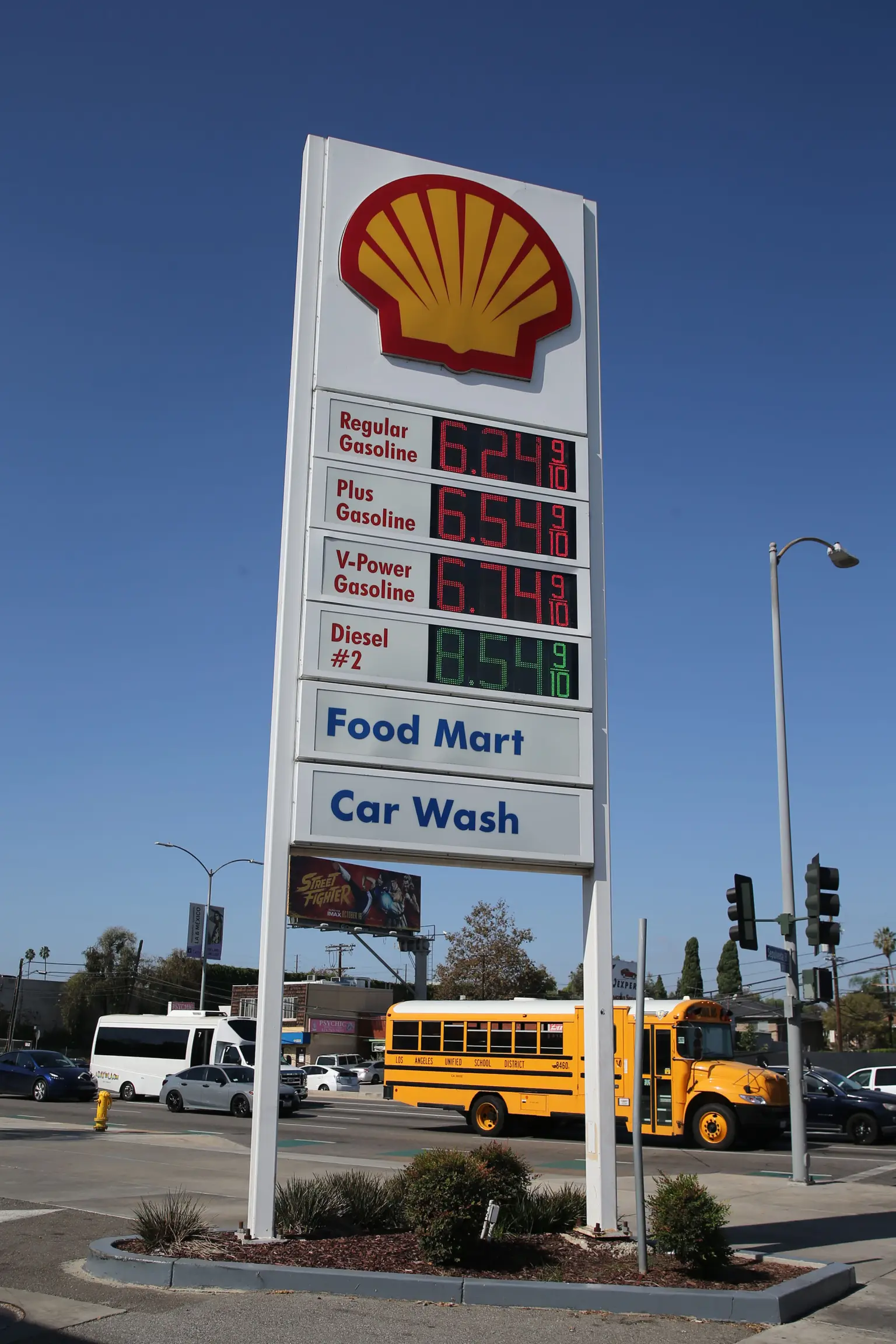
$6/GALLON ISN’T EFFICIENT: WalletHub rated California as the most “energy efficient” state in the country. Unfortunately, they failed to mention that it is also one of the most expensive states in the country for energy and has a long history of blackouts and reliability issues.
Why it matters: WalletHub’s little energy efficiency ranking doesn’t carry a lot of weight, but it does contribute to the misinformation that confuses American energy consumers and distracts from what really matters—Affordable, Reliable, Clean Energy Security.
Consider: WalletHub claims, “Energy efficiency doesn’t just help save the planet – it also helps save you money by lowering the amount of electricity, gas, oil or other types of energy you need to consume.” That’s all well and good, but it’s a drop in the bucket compared to the skyrocketing energy prices consumers pay in states like California that have instituted years of “green” energy policy that just don’t work.
- California has the second highest electricity rates in the country. Three of the states WalletHub claims are “energy efficient” also rank in the top ten for costly electricity.
- California—by far—has the highest gasoline prices in the country, coming in at over $6/gallon. Diesel is almost $8.50/gallon in the state.
- In 2022, the largest electricity rate hike in the country was in California from Pacific Gas and Electric, which cited its commitment to “California’s bold climate and clean energy goals and to actions that reduce greenhouse gas emissions, including delivering low-carbon energy.”
Bottom line: Buzz words like “energy efficiency” sound nice. But don’t fall for the misdirect, look at the whole picture. Energy efficiency helps you “save” money, but that doesn’t do much for the average American family trying to make ends meet, while paying nearly $100 to fill up their car and watching their electric bill tick higher every single month.
A look ahead
Nothing on the calendar next week
Quote of the week
“We are now the largest producer and exporter of oil and gas in the world… Thank goodness President Trump has unleashed American energy, particularly gas. All of Europe is now turning to America for natural gas.” –National Energy Dominance Council Executive Director Jarrod Agen