
It’s Time For An Energy Reality Check
August 13, 2026
Need to know
- Check out TEA’s website for the latest in energy news and opinion.
- Afternoon TEA: Back To School Hits The Gas.
- TEA Takes: Where do candidates stand on energy? There is no issue more important to us all.
- Climate skepticism rising in Germany.
- What’s next after solar PAC’s win in Tennessee?
- US natural gas futures edge up on higher LNG export flows.
- Emergency oil reserves at lowest levels since the 1980s.
- Trump extends Jones Act waiver, with limits, to tamp down energy prices.
- Democratic governors turn to nuclear power in energy crunch.
RealClear
- Pennsylvania Wants Data Centers To Pay Their Own Way. There’s A Better Way To Do It.
- Students Need Energy Literacy.
Common Sense
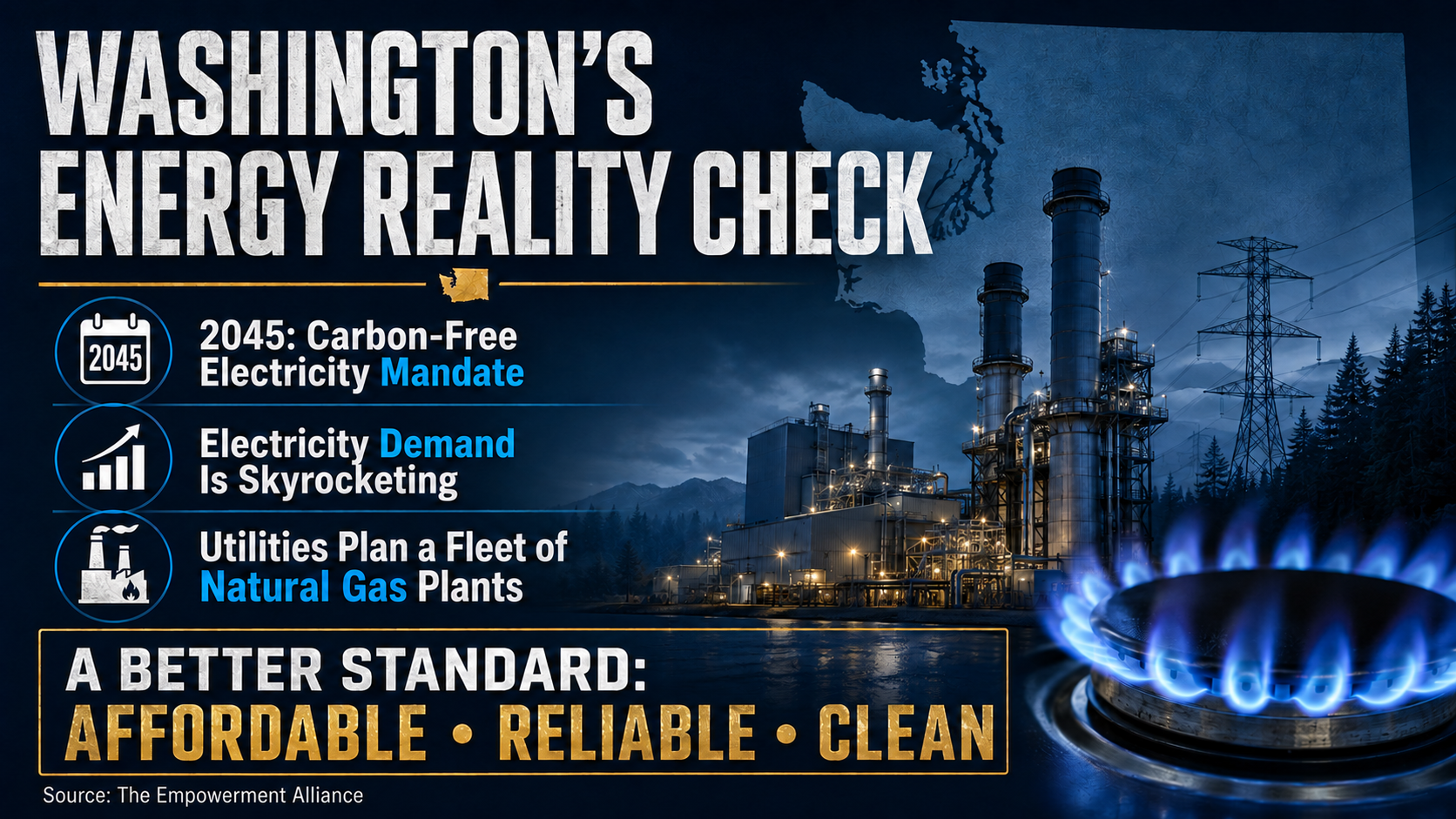
ARC SETS THE PRIORITIES: By the year 2045, state law requires all electricity sold in Washington to be carbon-free. This is one of the most aggressive deadlines in the country. But to meet skyrocketing electricity demand, utilities are preparing to build a fleet of power plants fueled by natural gas.
Why it matters: These constantly fluid deadlines — some as far as two decades out — are simply not realistic. By placing a premium on clean energy as opposed to affordable and reliable energy, it inevitably costs consumers in those states.
Adopting legislation that requires energy to be affordable, reliable and clean would avert such conflicts. Restoring regulatory sanity is one of the goals of the proposed federal law.
Louisiana, Ohio, Indiana, Mich
Consider: Democrat leaders in these states are not grasping the importance of having dispatchable energy right now.
One went so far as to say: “Right now is not the time to make concessions on our goals. Now is the time to get creative and innovative.”
- That policy has contributed to energy prices skyrocketing in states from California to much of New England.
- Others in the energy sector are urging lawmakers to lower the target now, saying utilities need a more realistic standard so they can confidently invest in the resources needed to keep the lights on in the future.
- Climate goals can have their place, but never at the expense of affordability.
These so-called “progressives” are actually doing the opposite in the name of progress. In their zealous quest for unattainable clean standards they are overlooking natural gas, proven to be the cleanest hydrocarbon on the market, as well as emerging nuclear energy technology.
However, Democratic leaders say they’re not ruling out new plants if the alternatives prove too costly or risk outages. Lawmakers are discussing narrow changes to state law that could give gas a larger runway.
Bottom line: Affordability must always come first, followed by reliability. That’s why it’s called ARC Energy Security, rather than CAR Energy Security.
Nonsense
‘BIG FUMBLE’ BY BIG TECH: The Big Tech companies that are building data centers didn’t merely sit idly as states and the federal government pursued energy policies that reduced reliability and increased prices — they actively participated in advancing them.
Why it matters: It was a Big Fumble, as Energy Bad Boys outline here, because these companies failed to understand how expensive and unreliable powering their facilities solely with renewable energy would be.
Millions of consumers, primarily small business owners, low- and middle-income households and those on fixed incomes, routinely suffer the consequences of such folly.
Consider:
- Data centers didn’t cause rising electricity prices; they just exposed decades of poor energy policy.
- For years, tech companies prioritized wind and solar over reliable natural gas and clean coal.
- That strategy backfired — driving up costs, weakening reliability and making data centers harder to power.
Once again, these companies vastly underestimated the damage of pursuing a renewable-heavy electricity grid.
Worst of all, their own operations do not support their conclusions. A recent study found data centers are overwhelmingly powered by reliable generators like natural gas, coal and nuclear.
Worst of all, their own operations do not support their conclusions. A recent study found data centers are overwhelmingly powered by reliable generators like natural gas, coal and nuclear.
They merely purchase renewable energy credits as a means of offsetting the emissions produced to power these facilities—which may make for nice “sustainability reports” for billion-dollar corporations, but it doesn’t help keep the lights on for small businesses and American families.
Bottom line: As is often the case, it’s the consumer who pays more — not Apple, Microsoft and Google — for wayward policy decisions.
Midterm spotlight
- Iowa’s Third Congressional District: Iowa’s Energy Grid Isn’t a Riverboat Casino.

A look ahead
Nothing on the calendar for next week. Congress remains on summer break.
Quote of the week
“To a day, the Trump Administration issued a 90-day extension to the Jones Act waiver to ensure our military and key industries maintain uninterrupted access to critical resources.”
— White House spokesperson Taylor Rogers said in a statement.